VW Blogs Posts

VW AC Failing in Dubai Heat? Here’s What to Do

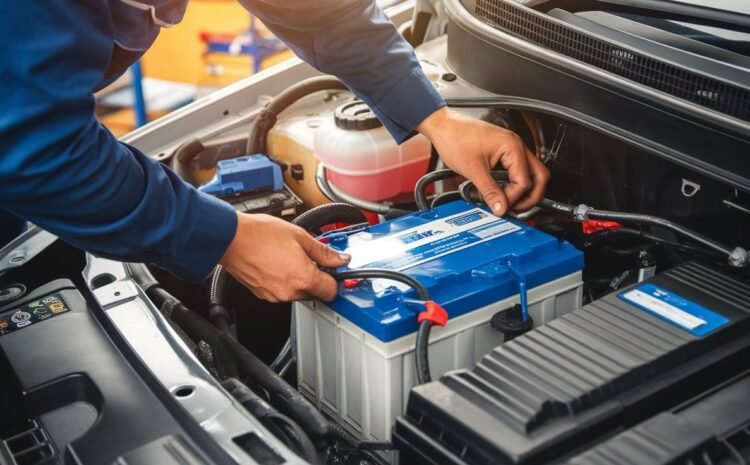
In Dubai’s intense desert heat, having a working VW AC is not just a luxury—it’s a necessity for your comfort and safety. The extreme temperatures can make driving unbearable without a properly functioning air conditioning system. For VW owners, the heat puts extra strain on the AC, making it more likely to wear out faster. That’s why regular maintenance and timely repairs from a trusted service provider like VW Repair Dubai are essential to avoid VW AC failing. Don’t let the desert heat overwhelm you, keep your Volkswagen AC in top condition to ensure a comfortable, stress-free drive. How Your VW AC Works Your VolksWagen’s air conditioning system is crucial for staying comfortable, especially in the hot climate of Dubai. Here’s a breakdown of how each part works: The Compressor The compressor is the engine of your VW AC system. It pumps refrigerant, a special fluid that absorbs heat, through the system. When you switch on the AC, the compressor pressurizes the refrigerant, setting off the cooling process. This step is vital because it powers the entire system, ensuring that cool air reaches the inside of your car. The Condenser After the refrigerant leaves the compressor, it moves into the condenser. Located at the front of your vehicle, the condenser’s job is to cool the refrigerant by releasing the absorbed heat into the outside air. As the refrigerant cools, it changes from a gas back into a liquid. This cooling process is essential to prepare the refrigerant for the next stage of air conditioning. The Evaporator Once the refrigerant leaves the condenser, it flows into the evaporator, which is inside the car. Here, the refrigerant changes back into a gas and absorbs heat from the air in the cabin. This process cools the air, which is then blown through the vents. The evaporator plays a crucial role as it directly cools the air that you feel inside the car. Why Each Part Matters Every component in your VW’s AC system is vital for cooling your car. If any part fails, the whole system can stop working properly. This is why maintaining each component is so important, particularly in Dubai’s extreme heat, where a functioning AC is not just a comfort but a necessity. Understanding how your VW’s AC works can help you appreciate the importance of regular maintenance. Keeping each part in good condition ensures that your AC system continues to provide cool, comfortable air, even in the hottest weather. 5 Signs That Your VW AC is Failing Recognizing the early signs that your VW’s air conditioning might be failing can save you from discomfort and costly repairs later. Here’s what to watch out for: Weak Airflow: If the air coming from your vents feels weak, even when the AC is turned up high, this could be a sign of a problem. It might mean there’s a blockage, a leak, or an issue with the blower motor. Warm Air Instead of Cool: When your AC is blowing warm air instead of cool, it’s a clear sign that something is wrong. This could be due to a refrigerant leak, a malfunctioning compressor, or a problem with the condenser. Unusual Noises: Strange sounds, like rattling or grinding, coming from the AC system are never a good sign. These noises could indicate a problem with the compressor or other internal parts of the system. Bad Odors: If you notice unpleasant smells when you turn on the AC, it could mean mold or bacteria has built up in the system. This not only affects the air quality but can also lead to more serious AC issues if not addressed. Persistent AC odors can also be a sign of neglected maintenance, start with the basics by learning how to read your VW engine oil dipstick so small issues don’t snowball in Dubai’s heat. Leaks or Moisture: Finding moisture or leaks around your AC system is a red flag. It could be a sign of a refrigerant leak, which needs to be fixed as soon as possible to prevent further damage to the system. Paying attention to these signs can help you catch AC problems early. Getting them fixed quickly will keep your VW’s air conditioning running smoothly, especially in Dubai’s harsh climate. 10 Common Reasons Why Your VW AC Failing Extreme heat puts additional stress on your VW’s air conditioning system, leading to various potential failures. Here are all the common reasons your AC might fail in such conditions: Refrigerant Leaks: Refrigerant is crucial for cooling the air in your car. In high temperatures, seals, hoses, and connections can expand and crack, causing refrigerants to leak. Without enough refrigerant, the system can’t cool the air properly, leading to AC failure. Compressor Failure: The compressor is essential for circulating refrigerant through the AC system. Extreme heat can cause the compressor to overheat, wear out, or seize up. When the compressor fails, the entire system stops cooling, as it’s no longer able to move the refrigerant. Condenser Issues: The condenser helps release the heat absorbed by the refrigerant. In extreme heat, the condenser can overheat, reducing its ability to cool the refrigerant. Additionally, the condenser can become blocked by debris or damage, preventing it from functioning properly. Electrical Failures: Your AC system relies on several electrical components, including fuses, relays, and sensors. High temperatures can cause these components to overheat or fail. A blown fuse, faulty relay, or malfunctioning sensor can disrupt the AC system, leading to a loss of cooling. Heat-soaked wiring and weak batteries are a common combo, see our guide to the best VW battery replacement options to prevent voltage drops that cripple AC performance. Evaporator Coil Problems: The evaporator coil is responsible for absorbing heat from the air inside your car. In extreme heat, this coil can become clogged, frozen, or develop a leak. These issues reduce its ability to cool the air, leading to poor AC performance or total failure. Clogged or Dirty Filters: Air filters are designed to keep dust

Read More »
Volkswagen Engine Repairs
VW Repair
Usman Rauf

Top VW Engine Repair Problems and How to Fix Them in Dubai

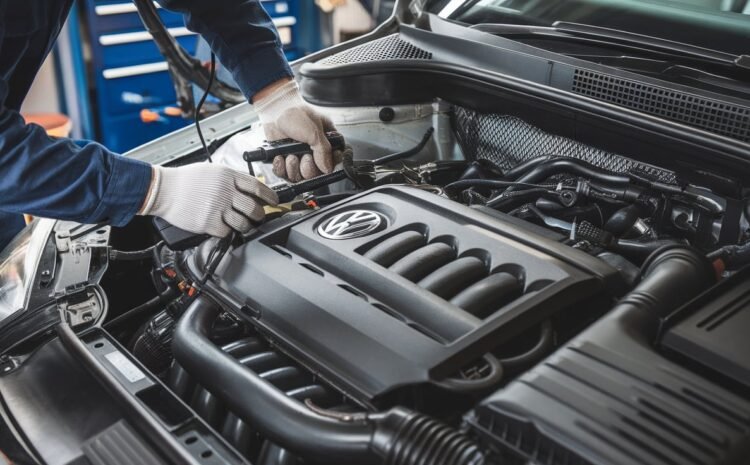
Ever sat in Dubai traffic with your VW sputtering like it just ran a marathon in the desert? Yeah, we know that panic. The engine starts acting weird, warning lights flash, and suddenly you’re googling VW engine repair in Dubai while trying not to melt in your seat. VW engine repair is a common search around here for a reason. These engines, while solid, aren’t bulletproof. Especially not in a place where summer feels like the sun parked right above your car. Whether it’s overheating, oil leaks, or turbo tantrums, this guide breaks down common VW engine repair problems and how they’re actually fixed. Most Common VW Engine Repair Issues | What Dubai Drivers Face Ever wonder why your VW engine suddenly acts like it’s had enough of you? Well, it might be trying to tell you something. VW engine repair problems tend to show up quicker in Dubai than anywhere else, thanks to the city’s brutal mix of heat, traffic, and start-stop chaos. Overheating due to extreme heat High outside temperatures plus slow-moving traffic equals coolant system overload. Radiators, fans, and thermostats often can’t keep up in Dubai’s summer. You might see steam, a spiked temp gauge, or coolant bubbling out. Timing chain stretch on TSI engines The EA888 engine series has a known issue where the timing chain stretches over time. This leads to misfires, rough idle, engine light warnings, and if ignored, full engine failure. It’s one of the most common causes of VW engine repair visits in Dubai. Oil consumption problems Some VWs have a habit of sipping oil like it’s juice. You may never see a puddle under your car, but the dipstick keeps dropping. This constant consumption leads to low oil levels, risking internal wear if not topped off regularly. If you’re not sure how to monitor it properly, check out How to Read Your VW Engine Oil Dipstick – Essential Tips for a simple guide that helps you stay ahead of potential oil-related engine wear. Turbocharger issues If your VW is turbocharged, Dubai’s heat can be its worst enemy. Turbo bearings dry out, oil seals fail, and power drops off like a stone. You might also hear whining sounds or notice slower acceleration. These signs usually lead to VW engine repair involving turbo rebuilds or swaps. Carbon buildup in DI engines Direct-injection engines skip fuel over the intake valves, so carbon sticks and piles up fast. This buildup causes airflow restriction, misfires, and poor throttle response. You’ll feel your engine getting lazier even though it’s not that old. Ignoring these issues might seem harmless at first, but they’ll snowball into expensive problems. Stay ahead of VW engine repair needs in Dubai, and you’ll avoid engine replacements that could wreck your wallet. Overheating Woes | VW Engine Repair Tips for Dubai Heat That moment when your temp gauge shoots up while you’re crawling through Sheikh Zayed Road traffic? Been there. Dubai’s climate doesn’t play nice with engines, and if you own a VW, you’re probably familiar with how quickly things can go south. VW engine repair linked to overheating is one of the most common reasons drivers end up at the garage. Weak water pump or thermostat Plastic water pumps crack over time, especially under Dubai’s brutal heat. When they fail, coolant circulation stops. Thermostats, on the other hand, can get stuck shut and trap hot coolant in the engine, leading to immediate overheating. Radiator fan malfunction The radiator fan is crucial when you’re stuck in traffic or idling. If it doesn’t engage, the coolant doesn’t cool. Motors fail, relays short out, or control modules act up, all common triggers for unexpected VW engine repair in high-temp areas. Low coolant level or airlocks Sometimes the problem is simple but just as dangerous. Low coolant levels, often due to unnoticed leaks, or air pockets in the system block flow and trap heat. Regular top-ups and proper bleeding during coolant service help avoid this. Old radiator clogged with deposits Hard water, neglect, and age cause minerals to build up inside the radiator, cutting down its ability to transfer heat. You may not notice it right away, but performance drops over time until overheating becomes frequent. If you spot steam, smell something sweet, or hear bubbling under the hood, pull over immediately. Ignoring these signs can cook your engine completely and push you into costly VW engine repair territory faster than you’d expect. Oil Leaks & Gasket Fails | VW Engine Repair Must-Knows Leaking oil isn’t just messy. It’s money dripping out of your engine and onto your driveway. And when you’re in Dubai’s heat, that little leak can quickly snowball into major engine drama. Most cases that start with “it’s just a few drops” often end up needing VW engine repair if ignored for too long. Valve cover gasket leak Rubber gaskets tend to harden over time, and in Dubai, the heat speeds that up. The valve cover gasket seals the top of the engine, and once it cracks, oil escapes and burns off on the exhaust manifold. You’ll notice that burnt oil smell and maybe even smoke under the hood. Oil pan gasket damage The oil pan sits at the bottom of the engine and is vulnerable to impacts from speed bumps or rough roads. When the gasket wears out or gets damaged, slow leaks form. These can go unnoticed for weeks until the oil level starts dipping dangerously low, leading straight to VW engine repair work. Rear main seal failure This one’s deep in the engine bay between the engine and transmission, so it’s not easy to see. But once it fails, oil starts dripping where the gearbox meets the engine. It’s a labor-heavy repair, and many Dubai drivers don’t catch it until it’s already made a mess under the car and inside the bell housing. Camshaft seals and timing cover leaks These are subtle but sneaky. Leaks here tend to spread oil across the front of the engine, which can degrade the

Read More »
Volkswagen Tiguan 2025
VW Repair
bmwgarage

Volkswagen Tiguan 2025 Review

Is the 2025 Volkswagen Tiguan the Best Compact SUV? The Volkswagen Tiguan has long been one of the best-selling compact SUVs globally, known for its practicality, advanced technology, and German engineering precision. With the 2025 model, Volkswagen aims to raise the bar once again, delivering a sleeker design, more powerful engine options, and cutting-edge technology, all while maintaining its family-friendly versatility and affordability. But does the 2025 Volkswagen Tiguan stand out as the best choice for families and daily commuters? Let’s take a deep dive into its new features, performance upgrades, and pricing to see if it lives up to the hype. Key Highlights of the 2025 Volkswagen Tiguan ✔ Revamped Design with a Sleeker Exterior ✔ More Powerful Engine Options with Mild-Hybrid Technology ✔ Upgraded Interior with a Larger Infotainment Screen ✔ Enhanced Driver Assistance & Safety Features ✔ Competitive Pricing for Value-Conscious Buyers With these exciting updates, the Volkswagen Tiguan 2025 is positioned as a top contender in the compact SUV market. But what exactly has changed from the 2024 model? Let’s find out. What’s New in the 2025 Volkswagen Tiguan? The 2025 Volkswagen Tiguan receives several key updates in terms of design, performance, technology, and safety, making it one of the most well-rounded SUVs in its class. 🔹 Key Upgrades Over the 2024 Model 🛠️ Exterior Design Enhancements 🛋️ Interior Upgrades & Cabin Improvements ⚙️ Performance & Powertrain Enhancements 🚀 Expected 0-100 km/h Acceleration: 🛡️ Technology & Safety Enhancements Exterior & Interior Design & Build Quality The 2025 Volkswagen Tiguan takes a step forward in design, aerodynamics, and luxury, making it one of the most stylish and well-built compact SUVs in its class. Volkswagen has refined both the exterior aesthetics and interior comfort, ensuring that it caters to both families and urban professionals looking for a premium driving experience. 🔹 Exterior Styling & Aerodynamics   Interior Comfort & Space Performance & Driving Experience The 2025 Volkswagen Tiguan is engineered for a smooth, refined ride, with multiple engine options, improved handling, and advanced drivetrain technology. Whether you need a fuel-efficient daily driver or a sportier AWD experience, the new Tiguan delivers. 🔹 Engine Options & Power Output 1. Standard 2.0L Turbocharged Engine (Tiguan 2.0 TSI FWD & AWD) ✔ Best for: Balanced performance and fuel economy 2. More Powerful 2.0L Turbocharged Engine (Tiguan R-Line 4MOTION AWD) ✔ Best for: Performance enthusiasts & spirited driving  Fuel Efficiency & Eco-Friendly Features Volkswagen has focused on improving fuel efficiency in the 2025 Tiguan, incorporating a new 48V mild-hybrid system and optimizing aerodynamics for better mileage. Getting the viscosity right is critical in UAE conditions, see what happens if you use the wrong oil grade to keep temps stable and mileage consistent. 🚗 Estimated Fuel Economy for 2025 Volkswagen Tiguan Models: Model Fuel Consumption Fuel Efficiency (km/l) Tiguan 2.0 TSI FWD 7.5 L/100 km 13.3 km/l Tiguan 2.0 TSI AWD 8.2 L/100 km 12.2 km/l Tiguan R-Line AWD 8.8 L/100 km 11.3 km/l   💡 Fuel-efficient yet powerful, the 2025 Tiguan delivers both performance and practicality. Ride Quality & Driving Dynamics Advanced Technology & Infotainment Features The 2025 Volkswagen Tiguan takes a major leap forward in technology and infotainment, offering a highly connected and intuitive driving experience. With an upgraded infotainment system, digital cockpit, and premium convenience features, the Tiguan ensures seamless integration of technology and luxury. 🔹 Upgraded Infotainment & Connectivity 🔹 Digital Cockpit & Driver-Focused Tech 🔹 Premium Audio & Convenience Features With intelligent technology, driver-focused features, and premium comforts, the 2025 Volkswagen Tiguan delivers a high-tech experience that rivals luxury SUVs. Safety & Driver Assistance Technology The 2025 Volkswagen Tiguan is packed with advanced safety features and driver-assistance technology, ensuring maximum protection and ease of driving. From adaptive cruise control to AI-powered collision prevention, the Tiguan prioritizes safety for both the driver and passengers. 🔹 Standard Safety Features 🔹 Advanced Driver Assistance (ADAS) Upgrades With these advanced safety technologies, the 2025 Volkswagen Tiguan is one of the safest compact SUVs in its class.  Volkswagen Tiguan 2025 Price in UAE The Volkswagen Tiguan 2025 is competitively priced, making it a great value proposition for buyers looking for a premium SUV without the luxury price tag. 🔹 Price Breakdown by Trim Level Trim Level Drivetrain Starting Price (AED) Volkswagen Tiguan 2.0 TSI (Base Model) FWD AED 135,000 Volkswagen Tiguan 2.0 TSI (4MOTION AWD) AWD AED 145,000 Volkswagen Tiguan R-Line (Performance Model) AWD AED 165,000 🔹 How Does It Compare to Competitors? The Tiguan remains one of the best-value premium compact SUVs in the UAE. Is the Volkswagen Tiguan 2025 Worth the Price? The 2025 Volkswagen Tiguan offers a compelling mix of premium features, advanced technology, and strong performance at a competitive price point. It is positioned as a refined alternative to mainstream compact SUVs like the Toyota RAV4 and Honda CR-V, while also competing with entry-level luxury SUVs like the BMW X1 and Mercedes-Benz GLA. For those who prioritize comfort, technology, and everyday usability, the Tiguan is an excellent choice. It comes with a well-appointed interior, an intuitive infotainment system, and an advanced driver assistance package that enhances safety and convenience. If you are looking for a high-tech, premium-feeling SUV without stepping into the luxury segment, the Tiguan provides excellent value. It offers a smooth, fuel-efficient ride with practical space for families and professionals alike. However, if your priority is serious off-road capability, you may find alternatives like the Jeep Cherokee or Toyota Fortuner more suitable. Overall, the Tiguan remains one of the most well-balanced compact SUVs on the market, making it a strong choice for buyers in the UAE who want a stylish, well-equipped, and reliable vehicle. FAQs About the Volkswagen Tiguan 1. Is the Volkswagen Tiguan a good family SUV? Yes, the Tiguan is an excellent choice for families. It offers a spacious interior, advanced safety features, and a smooth driving experience, making it a practical and comfortable vehicle for daily use. 2. How does the Tiguan compare to the Toyota RAV4 and Honda CR-V? Compared to the

Read More »

5 Signs Your VW’s Drive Shaft Needs Repairs

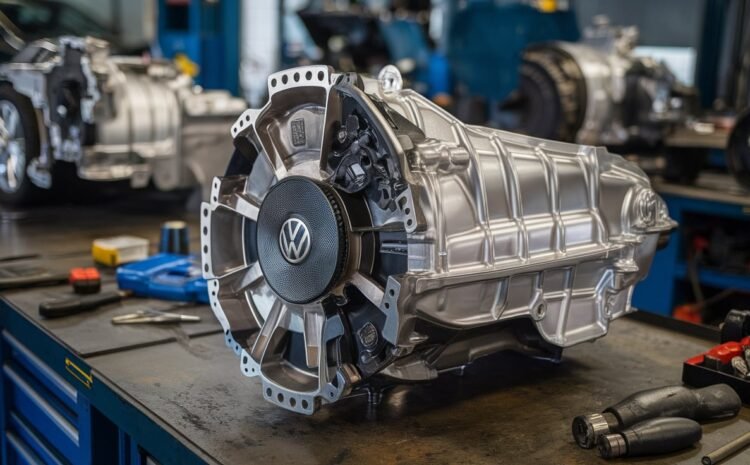
A smooth-running drive shaft is essential for your VW’s overall performance. Ignoring strange noises from the drive shaft can quickly turn a small issue into a costly repair. These unusual sounds are often early warning signs of bigger problems. At VW Repair Dubai, we specialize in diagnosing and fixing VW drive shaft issues, ensuring your vehicle stays in top condition. Don’t wait for the problem to worsen, addressing VW drive shaft noise now can save you from major car drive shaft problems later. What is VW Drive Shaft and What Does It Do? Your VW drive shaft is a critical component that transfers power from the engine to the wheels, allowing your vehicle to move. It connects the transmission to the differential, ensuring the wheels receive the necessary torque to spin and propel the car forward. In rear-wheel-drive VWs, the drive shaft sends power to the rear wheels, while in front-wheel-drive models, the system differs slightly but serves the same purpose. A well-functioning drive shaft ensures your car runs smoothly, accelerates efficiently, and handles properly. 5 Common Types of Noises from VW Drive Shaft When your VW drive shaft makes unusual noises, it’s a clear sign that something is wrong. At VW Repair Dubai, we often see these issues, and different noises usually point to specific problems. Let’s look at the most common types of noises you might hear and what they mean: Clunking Noises: A clunking sound is often heard when there’s a problem with the U-joints or CV joints, which are key parts of the drive shaft. These joints allow the drive shaft to rotate and move smoothly. When they get worn out or damaged, the clunking noise happens, especially when you shift gears or accelerate. Squeaking Sounds: Squeaking noises usually mean the U-joints are dry and need lubrication or are starting to wear out. If the drive shaft is out of balance, this can also cause squeaking as the car moves. This sound is a warning that something is not right with your drive shaft. Rattling Noises: Rattling is often caused by loose or misaligned parts. It might come from a worn-out bearing or a loose component like the heat shield. If you hear rattling, it’s important to have it checked out, as it can lead to bigger issues. Grinding Noises: Grinding is a serious sound that usually comes from worn-out bearings. Bearings help the drive shaft rotate smoothly, and when they are damaged, you’ll hear metal grinding against metal. This needs to be fixed quickly to avoid more expensive repairs. Vibration with Noise: If your VW shakes or vibrates along with making noise, it could mean the drive shaft is bent or out of balance. This affects the way your car handles and can cause further damage if not addressed. If vibration changes with gear shifts or load, skim our guide to VW transmission repair in Dubai for early warning signs and prevention. We quickly diagnose and fix all types of drive shaft problems at our VW Repair Dubai workshop. Different noises give us clues about the issue, allowing us to address the root cause efficiently. Having your VW drive shaft checked early can help prevent serious damage and save you from expensive repairs down the road. Potential Causes of Noises from VW Drive Shaft If your VW drive shaft is making strange noises, there are several possible causes. At VW Repair Dubai, we often see these problems, and here’s what might be causing the noise: Worn U-Joints or CV Joints: U-joints and CV joints help the drive shaft move and rotate. When these joints wear out, you’ll hear clunking or clicking sounds, especially when you accelerate or change gears. If not fixed, worn joints can lead to bigger problems, like complete driveshaft failure. Imbalanced or Bent Drive Shaft: If the drive shaft is imbalanced or bent, it can cause vibrations along with rhythmic noises as you drive. This imbalance puts extra stress on your vehicle and can affect the smoothness of your ride. A bent drive shaft needs to be repaired quickly to avoid further damage. Worn or Damaged Bearings: Bearings help the drive shaft rotate smoothly. If they are worn out, you’ll hear grinding or rattling noises. Worn bearings cause friction, which can damage other parts of your car if not fixed in time. Loose or Misaligned Parts: Sometimes, parts that hold the drive shaft in place, like bolts or brackets, can become loose or misaligned. This causes rattling or vibrating noises as the car moves. Even though this might seem like a small issue, it can lead to more damage if ignored. Worn Splines or Yokes: Splines and yokes are parts that help the drive shaft move freely. When they wear out, you may hear knocking or clunking noises when starting or stopping the car. This can make it harder for the drive shaft to rotate smoothly. Faulty Center Support Bearing: In some VW models, the drive shaft has a center support bearing that keeps it steady. If this bearing wears out, you’ll hear a thumping noise, especially at higher speeds. A bad center support bearing can put more stress on the drive shaft and cause further problems. Driving a Tiguan? Our Volkswagen Tiguan 2025 review covers ownership notes and what to watch for in long-shaft AWD setups. We quickly diagnose and repair these drive shaft issues at our VW Repair Dubai workshop. By addressing the problem early, you can avoid more expensive repairs and ensure your VW continues to run smoothly and efficiently. How Noises from VW Drive Shaft Affect Performance Unusual noises from your VW drive shaft are more than just an irritation—they are warning signs of deeper mechanical problems that can greatly affect your car’s overall performance. If these noises are ignored, they can lead to several serious issues: Reduced Driving Smoothness: A noisy drive shaft often leads to vibrations that affect the smoothness of your ride. When the drive shaft is unbalanced or worn out, these vibrations can

Read More »

What Happens If You Use the Wrong Oil in Your VW Engine?

Choosing the right oil for your VW engine is crucial to keep it running smoothly. Using the wrong oil in a VW engine can lead to serious problems like reduced performance, overheating, and even long-term damage. Your car relies on the correct oil grade to lubricate its moving parts and keep everything running efficiently. In a hot climate like Dubai, this choice becomes even more important. Regular oil checks and services from trusted experts can save you from costly repairs and keep your engine healthy. Understanding VW Oil Grades Choosing the right oil grade for your VW engine is essential for keeping it in peak condition. Each VW engine is designed to work with a specific oil grade, ensuring optimal performance and protection. Here’s what you need to know: Oil grades represent viscosity: The numbers on an oil bottle (e.g., 5W-30, 10W-40) refer to the oil’s thickness and ability to flow in various temperatures. The first number (e.g., 5W) represents how the oil flows in cold temperatures, while the second number (e.g., 30) shows its thickness when the engine is hot. Thicker oil in cold weather: The Thicker oil (higher viscosity) can cause poor lubrication in cold starts, leading to engine wear. Thinner oil in hot weather: In Dubai’s hot climate, thinner oil can break down quickly, causing overheating and potential engine damage. The wrong oil leads to poor lubrication: This can result in friction, overheating, and long-term engine problems. Always follow VW recommendations: Using the recommended oil grade ensures your engine stays protected, especially in extreme conditions like Dubai. Not sure if the level or color looks right? Use this quick guide on how to read your VW engine oil dipstick to spot problems before they snowball. By choosing the correct oil grade, you can avoid costly repairs and maintain your VW’s performance for years to come. What Are the Risks of Using the Wrong Oil in Your VW Engine? Using the wrong oil in your VW engine can cause multiple issues, some of which may lead to costly repairs. Here are all the main risks: Increased Engine Wear: The wrong oil can lead to insufficient lubrication. Without proper lubrication, the engine’s moving parts rub together, causing excessive wear. Over time, this can damage the engine components, leading to more frequent breakdowns and costly repairs. Overheating: If the oil is too thin for your VW engine, especially in hot climates like Dubai, it loses its ability to protect the engine from heat. This can cause the engine to overheat, which may result in serious damage to critical parts like pistons and cylinders. Sludge Buildup: Using the wrong oil can cause sludge, a thick, sticky substance, to build up in your engine. This sludge can block oil passages, reduce lubrication, and ultimately damage your engine. Sludge buildup is difficult to clean and can require more frequent oil changes. Poor Fuel Efficiency: Thicker oil than what is recommended can increase resistance inside the engine, making it harder for the engine to perform efficiently. This can lead to higher fuel consumption as the engine works harder to maintain performance. Oil Leaks: The wrong oil can affect the seals and gaskets within the engine, leading to oil leaks. These leaks can reduce the amount of oil in the engine, further increasing the risk of overheating and engine damage​. Increased Emissions: The wrong oil can interfere with the engine’s ability to burn fuel efficiently, resulting in incomplete combustion. This leads to higher emissions, which can cause your VW to fail emission tests and increase environmental impact. Damage to the Oil Pump: Using the wrong oil can put extra strain on the oil pump, which circulates the oil through the engine. If the oil is too thick or thin, it can cause the pump to work harder, leading to premature wear and potential failure. Voided Warranty: Using oil that doesn’t meet VW’s recommended standards can void your vehicle’s warranty. This means you’ll be responsible for any repairs caused by using the incorrect oil. These risks highlight the importance of using the correct oil for your VW engine. At VW Repair Dubai, we ensure your vehicle gets the right oil for optimal performance and long-term reliability. How Using the Wrong Oil in VW Engine Impacts Fuel Efficiency Using the wrong oil in your VW engine can significantly affect your car’s fuel efficiency. Here’s how: Thicker Oil Increases Resistance: When you use oil that’s too thick for your VW engine, it creates more drag inside the engine. This means the engine has to work harder to move the parts, using more fuel in the process. More Energy Needed for Operation: The extra effort required to pump thicker oil leads to more fuel being burned just to keep the engine running smoothly. This results in decreased fuel efficiency and higher fuel costs over time. Thinner Oil Provides Insufficient Protection: On the other hand, if the oil is too thin, it might not provide enough lubrication, causing friction between engine parts. This friction also forces the engine to use more fuel to maintain performance. Impact on Engine Performance: Reduced fuel efficiency often comes with lower overall engine performance. The wrong oil, whether too thick or thin, can cause the engine to become less responsive, which also affects fuel consumption. At VW Repair Dubai, we use the correct oil for your VW engine to ensure it runs efficiently, helping you save on fuel and avoid costly repairs. Proper oil changes with the right grade are key to keeping your car performing at its best. If fuel economy drops alongside other warning signs, these common VW issues and fixes can help you triage what to check next. Steps to Fix the Issue of Using the Wrong Oil in Your VW Engine Using the wrong oil in your Volkswagen engine can lead to multiple problems, but here’s how you can correct it in a step-by-step manner: 1. Drain the Wrong Oil The first step is to fully drain the incorrect oil

Read More »

Volkswagen Brake Pads Replacement in Dubai – Comprehensive Guide

When driving in Dubai, ensuring your Volkswagen’s safety is paramount. One of the most critical components of your vehicle’s safety system is the brake pads. Regular Volkswagen brake pad replacement is not just about maintaining performance; it’s about safeguarding you, your passengers, and others on the road. This guide will walk you through the essential aspects of brake pads replacement, helping you understand why timely replacement is crucial. In the sections that follow, we’ll delve into the specifics, helping you identify when it’s time for a change and why professional service at Volkswagen Repair Dubai is your best choice. What Are VW Brake Pads and How Do They Work? VW Brake pads are a crucial component of your Volkswagen’s braking system. They play a vital role in ensuring your vehicle can stop safely and efficiently, especially on the bustling roads of Dubai. How do VW Brake Pads work? When you press the brake pedal, the brake pads are pressed against the brake rotors (or discs), which are attached to the wheels. This contact creates friction, which slows down and eventually stops the rotation of the wheels, bringing your vehicle to a halt. The friction generated by this process is what allows your car to stop, and it’s the primary function of the brake pads. Components and Material: Friction Material: The outer layer of the VW  brake pads is made from a high-friction material designed to withstand the intense heat and pressure generated during braking. This material can vary depending on the type of VW brake pads (ceramic, semi-metallic, organic) and is chosen based on the desired performance characteristics. Backing Plate: The friction material is bonded to a metal backing plate, which provides the necessary support and ensures that the VW brake pads remain stable and correctly positioned within the brake caliper. Why do VW Brake Pads Wear Out? Each time you brake, a small amount of the friction material wears away due to the heat and pressure involved. Over time, this wear reduces the thickness of the VW  brake pads, making them less effective. In Dubai’s stop-and-go traffic, VW brake pads may wear out faster, making regular inspections and replacements necessary to maintain optimal braking performance. Different Types of Brake Pads for Your Volkswagen Selecting the right brake pads for your Volkswagen is crucial for ensuring optimal performance and safety, particularly in Dubai’s diverse driving conditions. Here’s an overview of the different types of VW brake pads available: Ceramic Brake Pads: Features: Made from ceramic fibers and nonferrous materials, these pads are known for being quiet and producing less brake dust. They also offer excellent longevity. Best For: City driving with frequent stops, like the busy streets of Dubai. They provide smooth, reliable braking without a lot of noise. Semi-Metallic Brake Pads: Features: Composed of metal fibers (such as steel or copper) mixed with other materials, these pads are highly durable and effective at heat dissipation. However, they may be noisier and produce more brake dust. Best For: High-performance driving or highway driving where consistent, powerful braking is needed. These pads are ideal for those who drive in Dubai’s varied climate conditions. Organic Brake Pads: Features: Made from materials like rubber, glass, and resins, organic pads are softer and quieter. They tend to wear out faster, especially in extreme heat, and may require more frequent replacements. Best For: Light, everyday driving. Organic pads are an eco-friendly and affordable option but may not be as durable in Dubai’s hot weather. Low-Metallic NAO Brake Pads: Features: These pads are a hybrid of organic and semi-metallic materials, offering a balance between quiet operation and effective braking. They do produce more brake dust and may be slightly noisier. Best For: Drivers who want a balance between performance and comfort, especially in urban driving conditions. At Volkswagen Repair Dubai, our experts can help you choose the most suitable brake pads based on your driving habits and the specific demands of Dubai’s roads. Whether you prioritize quiet operation, longevity, or high-performance braking, we ensure your Volkswagen is equipped with the right brake pads to meet your Volkswagen brake pads replacement needs. When to Replace Your Volkswagen’s Brake Pads? Knowing when to replace your Volkswagen’s brake pads is crucial for maintaining safety and performance, especially in Dubai’s busy driving conditions. Here are the key signs it’s time to replace them:        1- Squeaking or Squealing Noises If you hear a high-pitched squeal when braking, it’s a sign that your VW brake pads are worn out. This noise indicates the pads need immediate replacement to avoid further damage.        2- Grinding Sound A grinding noise suggests your VW brake pads are completely worn down, causing metal-on-metal contact. This requires urgent attention to prevent costly repairs and ensure your safety.        3- Longer Stopping Distances If your Volkswagen takes longer to stop, or if the brake pedal feels soft, it’s likely due to worn VW  brake pads. This is especially dangerous in Dubai’s traffic and should be addressed promptly.        4- Brake Warning Light Many Volkswagen models have sensors that trigger a VW brake warning light when VW brake pads need replacing. Don’t ignore this—schedule a service at Volkswagen Repair Dubai immediately. How Long Do VW Brake Pads Typically Last? The lifespan of VW brake pads can vary widely depending on several factors, including your driving habits, the type of brake pads used, and the conditions in which you drive. For most vehicles, including Volkswagen models, brake pads generally last between 30,000 to 70,000 kilometers. However, this range can be influenced by several key factors: Factors Affecting VW Brake Pads Longevity: Driving Habits: Frequent hard braking or aggressive driving can cause VW brake pads to wear out more quickly. Conversely, gentle braking and highway driving (where brakes are used less frequently) can extend their life. Driving Conditions: In a busy city like Dubai, with its heavy traffic and stop-and-go driving, VW brake pads tend to wear out faster. The constant

Read More »