
ECU software
Selected VW 2.0 TSI applications. Supplier, controller version and calibration change the price.
Explore ECU tuning for a more responsive Volkswagen at our independent Al Quoz 4 workshop. We check your engine, software and existing modifications, then explain the suitable calibration and total before you approve.
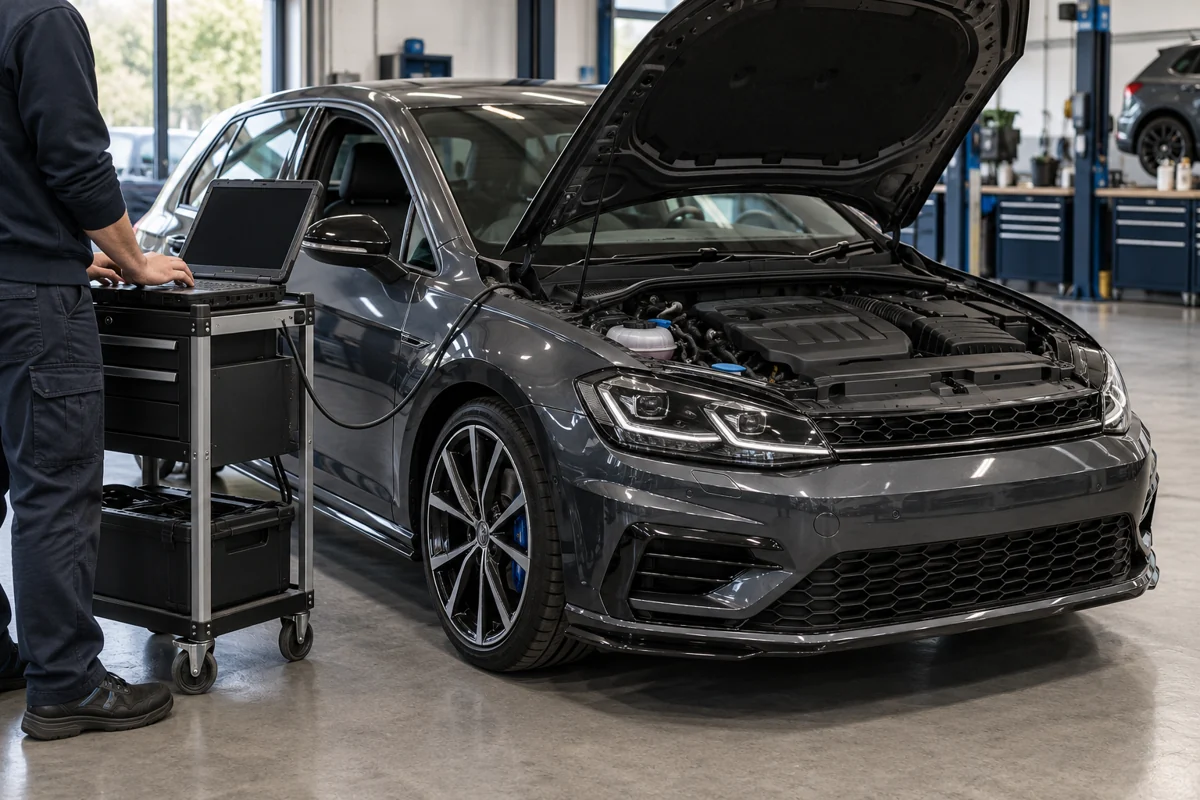
Tell us how you use the car, your usual fuel and what has already been changed.
A software licence, installation and a complete modified-car package are different purchases. These selected UAE software references help set a budget; your vehicle decides the actual work.
Selected VW 2.0 TSI applications. Supplier, controller version and calibration change the price.
A separate selected-application reference, only where the matching transmission software is supported.
Intake, cooling, clutch, turbo or other agreed parts and fitting are priced individually.
Market software guidance, not workshop tariffs or an all-in offer. Diagnosis, unlock/access work, fitting, testing, hardware and VAT treatment need their own stated inclusion.
Get a quote matched to your VW. Start with model, year, usual fuel and any modifications. We can identify the further details needed.
A bigger stage number is not automatically the better daily-driving choice. Start with the hardware you have, the response you want and the software actually supported.
Typically a calibration for specified standard hardware. A supported remap can alter torque requests, boost and fuelling, plus ignition timing on petrol engines.
Check the exact fuel, torque and hardware requirements; “no major hardware” is application-dependent.
A calibration matched to a defined set of supporting parts. Stage labels and required components differ between software suppliers.
Price the complete parts and fitting list. Road-use suitability and emissions equipment need to be considered before choosing modifications.
Transmission-control software can change shift behaviour and torque coordination on a compatible DSG. It is a separate software decision from the engine remap.
Identify the gearbox and controller first. Software is not a repair for slipping clutches, harsh engagement or a mechanical fault.
Available software and any required work are confirmed for your car before a package is agreed. A stage name alone does not establish compatibility or a guaranteed result.
Golf GTI, Golf R, Polo GTI, Scirocco, Jetta, Passat and Tiguan owners may have very different engines and software despite familiar badges. We check the fitted combination rather than assume every version can take the same file.
A VIN or engine code can help identify the car. Tell us about an import, replacement ECU, previous remap or dealer software update; each can change the starting point.
TSI petrol and TDI diesel need different calibrations. Engine code, turbo and existing intake/cooling changes matter.
The controller part number and revision establish file support and access requirements. Some newer controllers need extra access work or remain unsupported.
Manual clutch condition, DSG version, torque requirements and daily or track use affect the recommendation.
A petrol-hybrid system needs its own supported application. An ID. model or e-Golf is not a petrol ECU-remap application.
An underlying fault can become more obvious under higher load. Establish the baseline and agree any necessary repairs before changing the calibration.
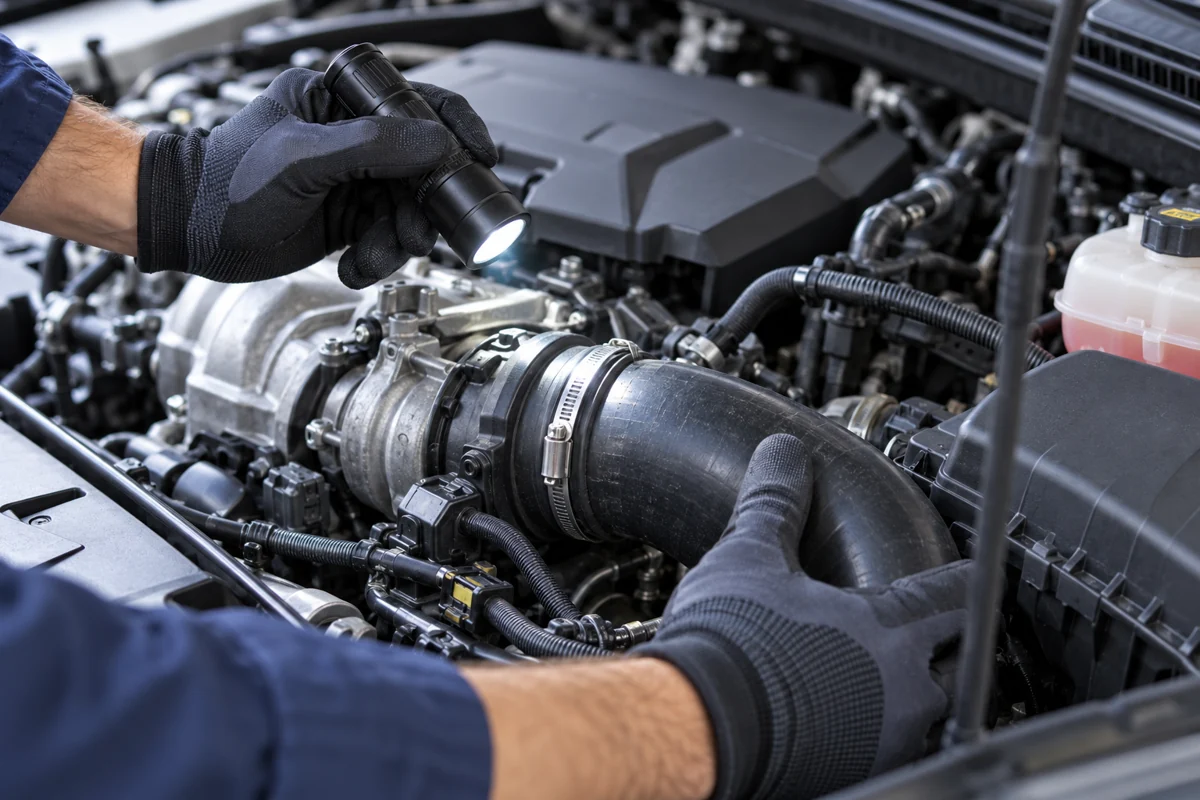
Review stored faults and relevant live data: misfire counts, requested versus actual boost, fuel pressure and temperatures where applicable. Warning-light status alone does not establish engine health.
On petrol engines, investigate misfires, plug condition and the fuel supply where indicated. Replacing every coil is not a tuning requirement.
Inspect hoses, connections and relevant pressure control. A leak or turbo-control fault needs its own remedy.
Resolve coolant loss, overheating, oil-pressure concerns and unsuitable service condition before increasing engine demand.
Assess reported slip or poor shifting and the condition needed to use the car’s performance. Software cannot renew worn friction material.
Misfires, EPC warnings or limp mode call for engine diagnosis and repair. A controller fault belongs with ECU testing and repair, rather than an assumed performance remap.
The right tune is a supported combination, not just a peak-power figure. Your fuel and how the car manages load belong in the discussion.
The chosen file has a minimum fuel requirement. State the grade you normally use and follow the calibration’s requirement; a higher-octane file is not suitable for a lower-octane tank.
RON and North American AKI are different rating systems. Compare the actual requirement rather than matching the numbers by sight.
Intake-air, coolant and oil temperatures affect usable performance. More boost does not make a cooling defect disappear.
A cooling upgrade must solve an identified need. It does not make every calibration suitable or establish the same output in all conditions.
The ECU’s torque request needs to suit the gearbox and clutch. A lower-torque calibration can be a better match than chasing the largest number.
Required TCU work or clutch changes are separate decisions with their own compatibility and cost.
We use your vehicle details and goals to define the proposed work. The written quote explains the calibration, access, supporting work and checks before you commit.
OBD uses the diagnostic port. Bench access connects to the controller; boot access can require opening it. The supported protocol decides the method, not a promise that every car takes a quick port flash.
Record the current engine/controller details, modifications and relevant condition. Discuss the fuel and response you want.
Confirm software support, provider/file identity, access method, backup/restoration arrangements and any required hardware. Approve the itemised total.
Carry out the agreed work with the appropriate protocol. Verify communication, faults and relevant running behaviour, using suitable before/after data logs for the agreed checks. Investigate unexpected findings.
Explain the fuel requirement, service considerations, software details and support terms. Retain a useful work record and discuss future dealer updates or hardware changes.
The goal is a change that suits the car and its use. Agree how the work will be checked and what happens afterwards, alongside the price.
Find us in Al Quoz 4, Dubai, Monday–Saturday, 9am–7pm. Volkswagen-specific diagnostics and a written approval process help separate the work you want from a fault that needs repair first.
The appointment and collection plan depend on controller support, access and any agreed repairs. Applicable installation and software-support terms are explained with the quote.
Scheduled maintenance keeps the standard engine working properly. It is separate from changing its calibration.
There is no single tune-up interval for every Volkswagen. Use the fitted engine’s service requirements and history.
Costs, compatibility and the decisions that belong before a remap.
Selected UAE listings put VW ECU software around AED 1,500–2,900 and some compatible DSG software around AED 2,500. These are market references for selected software applications, not our fitted package prices. Your written quote identifies the software, installation, checks, any unlock or hardware work, VAT treatment and aftercare before you approve.
No. A remap changes engine-control calibration for a supported application. A tune-up usually means maintenance or repair, such as correctly specified spark plugs, filters or ignition-fault testing. A car with lost power, misfires or warning lights needs diagnosis before a performance change is considered.
Compatibility depends on the engine, ECU identification and revision, transmission, fuel and installed hardware. Stage names describe a supplier’s package, not one universal specification. We check your application and proposed work first; a matching badge or model year alone does not establish software support.
That depends on the exact gearbox controller and the engine calibration’s torque requirements. ECU and TCU software need to work together. A DSG tune is separate from a fluid service, adaptation or repair, and it cannot remedy worn clutches or a mechatronic fault.
Neither result should be assumed. Fuel use depends on the calibration, fuel and driving; using more performance can use more fuel. Engine-management changes may affect applicable warranty cover. Review your actual warranty and insurance terms before approval; workshop software support is separate from manufacturer powertrain cover.
Discuss the exact restoration and backup arrangements before tuning. Availability and cost depend on the controller, original software and previous changes. Returning to standard calibration is separate from reversing hardware work and is not a promise that the modification history disappears.
Controller access, software support, baseline condition and verification determine the appointment. A supported OBD installation and work requiring controller removal or an unlock need different plans. We explain the expected work, collection plan and applicable support terms with your quote rather than promising one duration for every Volkswagen.
Start with your model, year, usual fuel and current modifications. We will establish compatibility and explain the proposed software, total and support before you approve.