
No crank or clicking
The engine does not turn, or you hear a click when you try. The battery supply, terminals, cables, starting controls and starter are relevant checks. Working dashboard lights alone do not prove the battery can start the engine.
No response, slow cranking or an engine that turns but will not start? Our independent Volkswagen workshop in Al Quoz 4 diagnoses the starting problem before recommending a battery, starter or other repair. You receive a written quote before work begins.
Indicative repairs: battery replacement AED 400 to 1,200; starter replacement AED 800 to 2,000. A written vehicle-specific quote follows assessment.
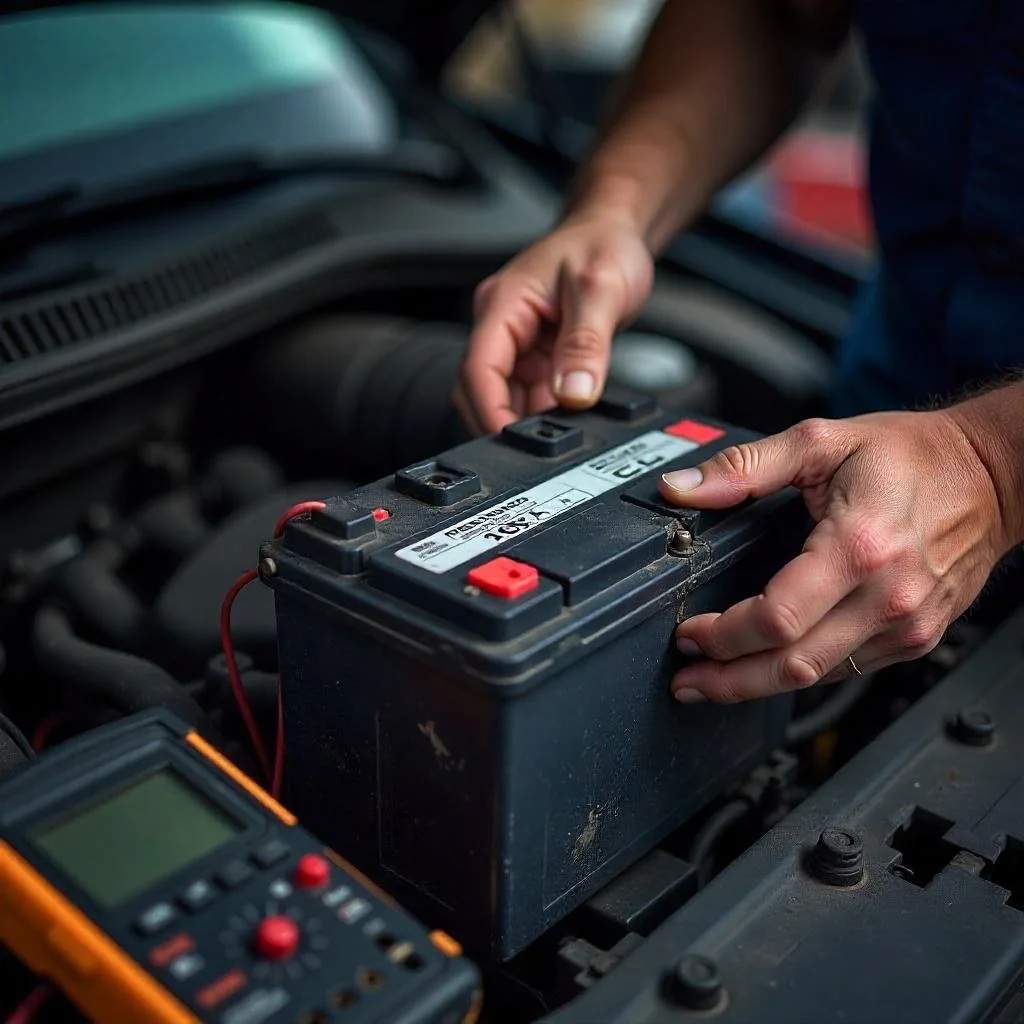
Indicative Volkswagen repair prices. Your model and the confirmed fault determine the written quote.
| Possible repair | Guide range |
|---|---|
| Battery replacementFitting, adaptation and VAT itemised in your quote. | AED 400 to 1,200 |
| Starter replacementIncludes parts and labour. VAT treatment stated in your quote. | AED 800 to 2,000 |
| Fuel-pump replacementGeneral guide; pump type and fitting affect the estimate. | AED 1,200 to 2,500 |
“Won’t start” can describe several different faults. Tell us what you hear and see; you do not need to diagnose the failed component yourself.
The engine does not turn, or you hear a click when you try. The battery supply, terminals, cables, starting controls and starter are relevant checks. Working dashboard lights alone do not prove the battery can start the engine.
The engine turns without running. The assessment moves beyond the starter to the applicable fuel, ignition, sensor and engine-control checks. Petrol and diesel engines do not use the same diagnostic path.
A key-recognition warning, intermittent electrical issue or another running fault may be involved. Note any dashboard message and whether the issue happens cold, hot or after the vehicle has been parked.
For an ID.4 or e-Golf, tell us whether the vehicle shows READY. An electric Volkswagen does not crank a combustion engine; a low-voltage supply or drive-readiness fault follows a different assessment from the starter and fuel checks below.
These observations guide diagnosis; they do not confirm a failed battery, starter, fuel pump or control module.
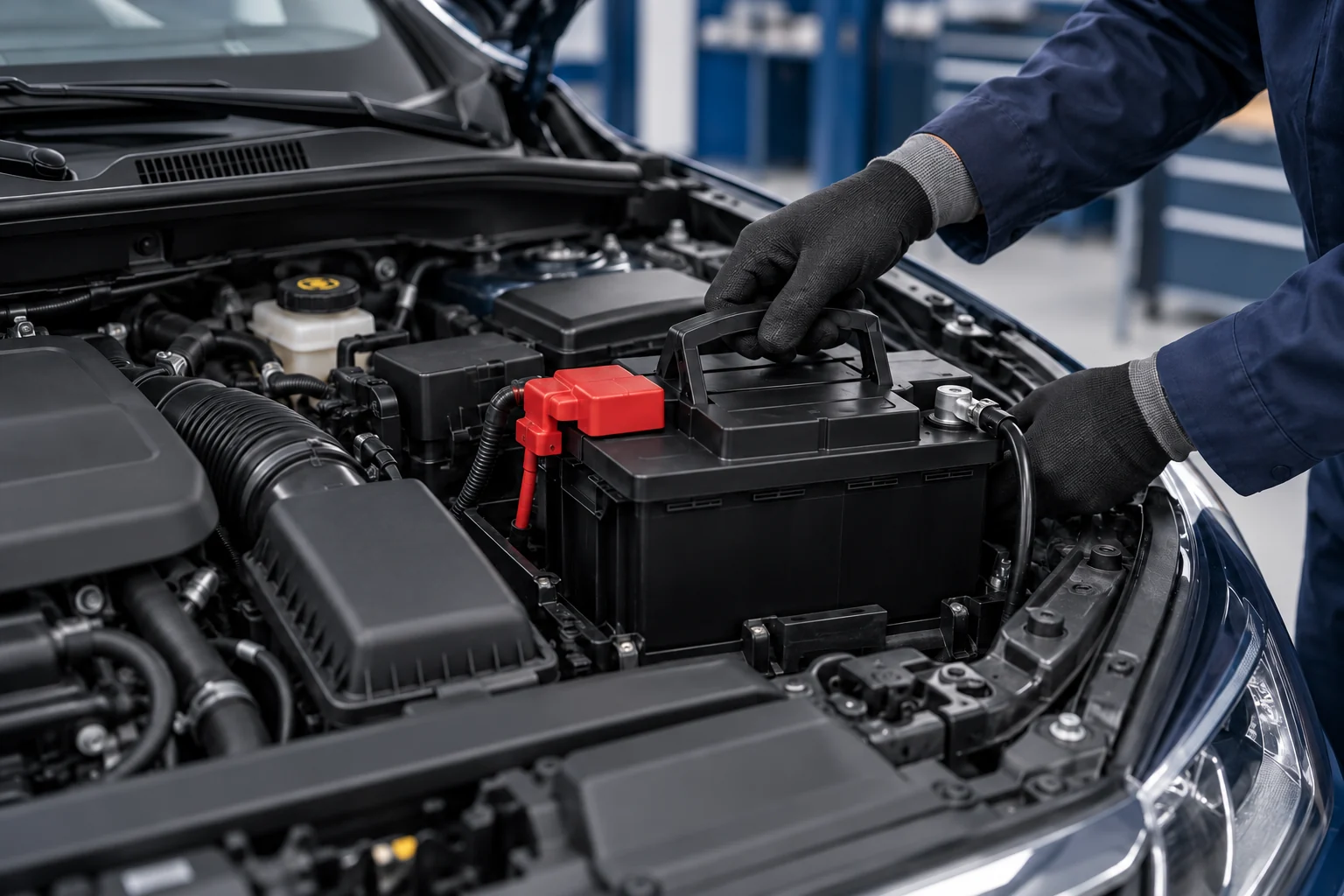

The same symptom can need different tests across Volkswagen generations, engines and key systems. Find your model below, then call with what happens when you try to start it. We can identify the fitted system during assessment.
A Golf GTI or R that will not crank needs its electrical supply and start permission checked before a starter is ordered. If the engine turns normally without firing, petrol ignition and fuel-pressure checks become relevant; a TDI diesel needs diesel-specific testing. Manual and DSG versions have different start-permission inputs. The Golf generation and engine matter more than the badge alone. For other repairs and generation details, see our Volkswagen Golf repair guide.
These models span conventional ignition keys, push-button systems and different transmissions. With silence or a single click, we check the fitted ignition controls, battery cables and starter command. A manual car's clutch-pedal signal and an automatic's Park/Neutral recognition are assessed as applicable. Replacing the ignition switch is justified only when the tests support it.
If the dashboard reports a key, steering-lock or start-button fault, share the exact wording. We distinguish a key-recognition or start-authorisation problem from a weak 12V supply. A remote that unlocks the doors does not by itself establish that start authorisation is working. The fitted system determines whether the key, lock, wiring or another component needs attention.
For a Tiguan, Touareg, T-Roc, T-Cross or Teramont, tell us whether there is no crank, normal cranking or a drive-system warning. Petrol, diesel and electrified versions need different checks. Mention a recent flat battery, replacement or jump start. Battery access and recovery arrangements vary, so use your own model's handbook and tell the recovery team if the vehicle cannot leave Park or release its parking brake.
On a diesel, a no-restart message associated with AdBlue needs assessment of the fitted emissions system, not an assumed starter replacement. A low AdBlue level or a system fault can prevent restarting where that system is fitted. For a converted van, also mention auxiliary batteries and added electrical equipment. The diagnosis separates starting-battery supply, diesel fuel delivery and any start restriction.
These electric vehicles do not crank a petrol or diesel engine. Describe whether the dashboard powers up, the key is recognised and READY appears. Low-voltage supply, vehicle wake-up and drive-readiness faults need a different assessment from the starter and fuel repairs above. A charging complaint and failure to become drive-ready are also separate symptoms; share the displayed warning so we can discuss the appropriate investigation.
A plug-in hybrid can be ready to drive with its petrol engine silent. On a Golf GTE, electric starting can be normal when the battery and operating conditions permit. Tell us whether the vehicle reaches drive-ready mode or whether the petrol engine fails to run when required. Hybrid warnings need their own assessment; the conventional starter and fuel-pump price guides are not estimates for high-voltage repairs.
Your model is not listed? Call 056 464 6081 with the model and symptom. A photo of a warning can help, but you do not need a fault code or part number to ask for help. For a confirmed component problem, use the battery, starter and fuel-repair options below.
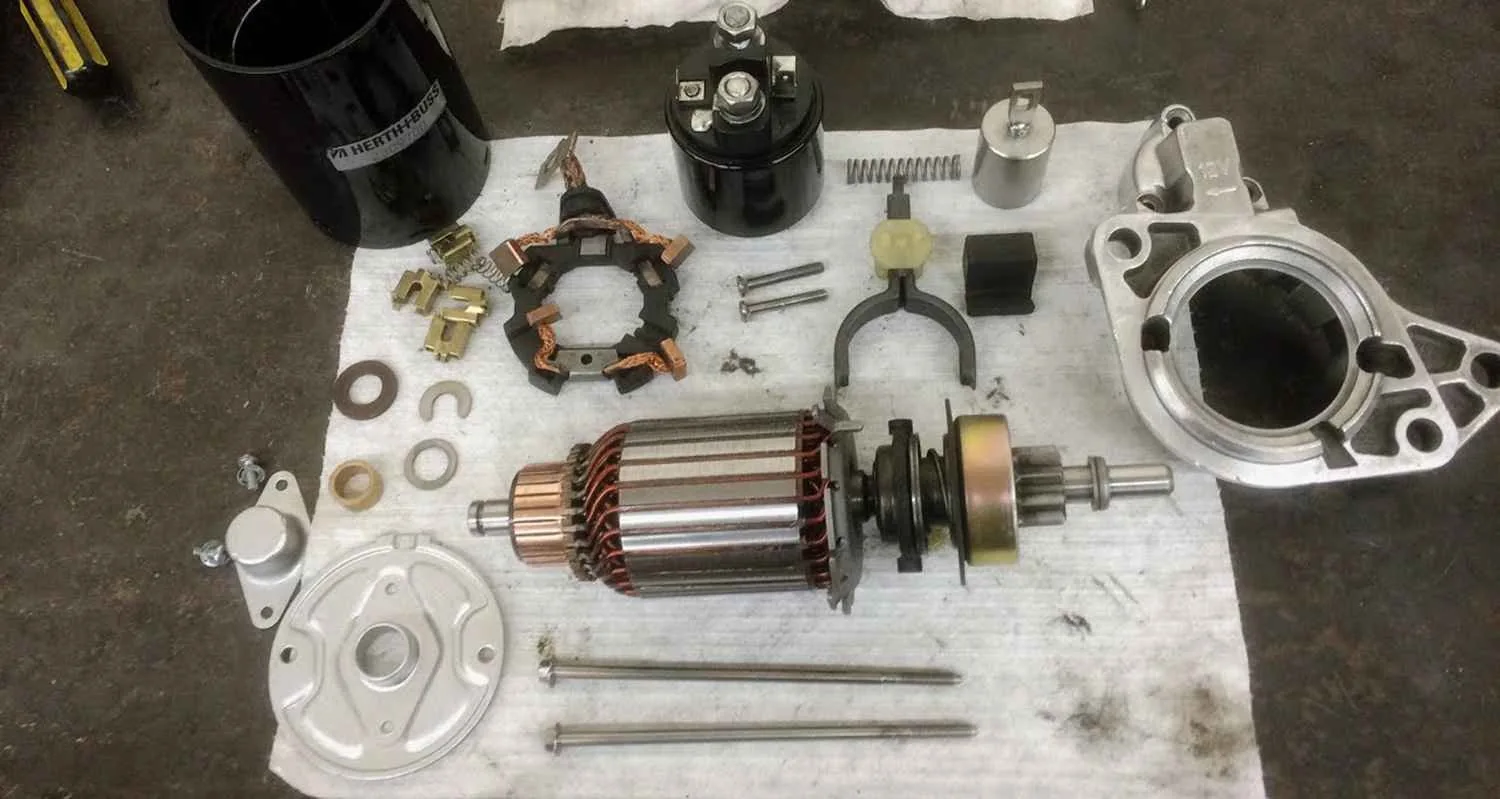
We start with the way the fault occurs, the vehicle’s history and the relevant electrical and diagnostic checks. Our workshop uses Volkswagen-specific diagnostic software; the findings determine what needs further testing.
A battery may show voltage at rest yet struggle under starting load. Equally, a fault code does not by itself prove that a named component needs replacement. Connections, wiring and related system information have to be considered together.
The first stage establishes whether the fault concerns cranking, start permission or an engine that cranks without firing. Further investigation follows the evidence. Intermittent faults may need a cold start, a hot restart or observation after the vehicle has stood; clearing stored codes alone does not establish a repair.
The symptom guides the tests. Volkswagen-specific software and physical checks help identify the cause.
A fault code alone does not prove a part has failed. Tests vary by model; ECU replacement or programming needs supporting evidence.
When it fails can be as useful as how it sounds.
Extra power changed the symptom. Battery condition, charging and connections still need assessment.
Parasitic-drain testing may need the car’s systems to reach sleep mode. Mention dashcams or recent electrical work.
A heat-sensitive starter, sensor or connection may need a hot restart; a cold-only fault may need an overnight stay.
Send with your enquiry: model, year, when the fault happens and a safe dashboard photo. If charging is implicated, see our alternator service.
The repair can involve a connection, a component or a control issue. Your quote explains the work and whether genuine or OEM parts are proposed.
For a battery that cannot support starting, the correct type and any vehicle-specific setup matter. Recurring discharge also needs its underlying cause considered.
Battery replacementA confirmed internal starter or solenoid fault can justify replacement. The quote accounts for access and labour; the supply and start-command circuit remain relevant to a reliable result.
Starter motor replacementA cranking engine can still have a fuel-delivery fault. Pump type and engine specification affect the work and cost; the diagnosis must support the recommendation.
Fuel-pump replacementIf the key is not recognised, read about key fob repair. For a specific ignition warning, see our ignition-fault service page.
Genuine or OEM options, identified for your Volkswagen and listed before you approve the repair.
Model, year and VIN help identify the part. Options depend on compatibility, availability and budget.
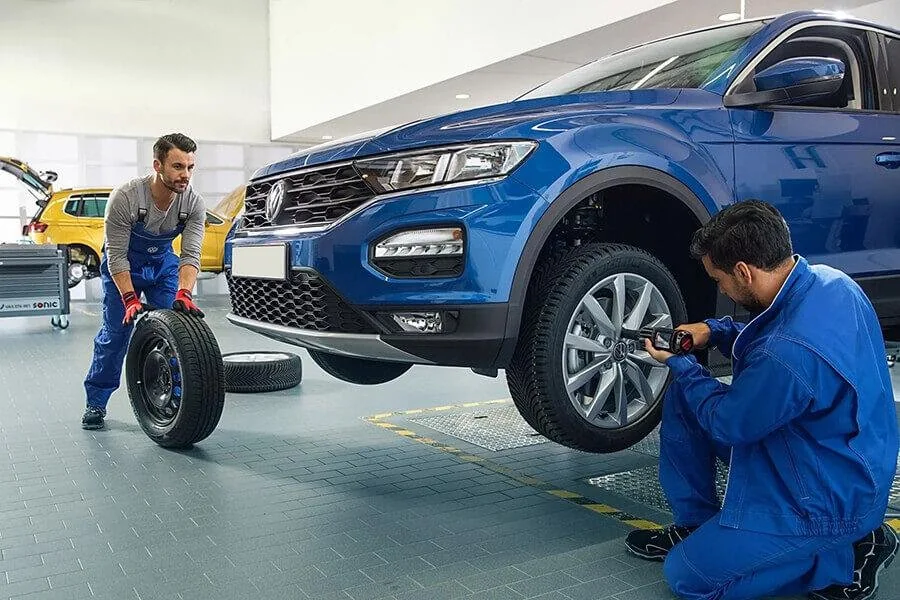
Before any work starts you get the fault codes, the likely cause and a written quote. Old parts are shown to you at handover.
Intermittent symptoms may need hot, cold or overnight testing.
Parts, access and availability determine the repair plan and timing.
Relevant starting, electrical or pressure checks, plus any required setup.
At handover: old parts on request; repair-specific warranty coverage and exclusions in the written terms.
Our roadside assistance and recovery service offers 24/7 support. Workshop diagnosis and repairs operate Monday to Saturday, 9 am to 7 pm; overnight recovery and workshop repair are separate arrangements.
Avoid repeated starting attempts or an improvised jump start. Follow your own Volkswagen owner’s manual, as starting conditions, key-recognition procedures and jump-start connections vary by vehicle. If there is smoke, a burning smell, leaking fuel or visible battery damage, stop attempts and request appropriate assistance. If the car has been in rain or flood water, read our guide to a VW that will not start after rain or flooding before trying again.
For collection, send the vehicle location, model and access details, including basement height restrictions, whether it is in Park and whether the wheels can move. Recovery timing and charges are agreed for the collection. Automatic, DSG and four-wheel-drive vehicles need transport suited to their model and condition.
A clear description is enough to start the conversation. Model, year, what happens when you try and any warning message are the most useful first details.
Not necessarily. A weak battery is one possibility, but a poor connection, supply problem or starter fault can produce a similar complaint. The assessment should establish the cause before a replacement is approved.
Working lights or a voltage reading do not confirm that the battery and connections can supply the starter under load. Tell us whether the engine cranks normally, turns slowly or does not turn at all.
A normally cranking engine needs a different assessment from a no-crank fault. Depending on the engine, checks may concern fuel delivery, ignition, sensor information or another engine-control problem. The symptom alone does not identify the failed part.
Key-recognition behaviour depends on the model and key system. Some vehicles have a model-specific emergency recognition procedure. Follow your own manual rather than assuming every Volkswagen uses the same method, and tell us any displayed warning.
Repair guides are AED 400 to 1,200 for a battery, AED 800 to 2,000 for a starter including parts and labour, and AED 1,200 to 2,500 as a general fuel-pump guide. Diagnosis is quoted for the investigation needed. The written quote establishes the actual total, battery/pump fitting and adaptation, VAT treatment and any diagnostic-fee credit.
The fault and parts availability determine the timeline. A fault that is present during testing can be easier to assess than an intermittent problem. We discuss the diagnostic stage and the repair timeline separately rather than promising the same completion time for every vehicle.
Yes, roadside assistance and recovery are offered with 24/7 support. Workshop diagnosis and repair hours are Monday to Saturday, 9 am to 7 pm. Send your location and access details so collection, charges and timing can be arranged.
Coverage depends on the actual parts and repair. A battery, wiring repair and fuel pump may have different terms. The quotation or invoice needs to record the applicable parts/labour coverage, duration and exclusions for the work you approve.
Tell us what your Volkswagen does when you try to start it. We will discuss the next assessment and quote before repairs.