
Rack rebuild or reseal
AED 1,500 to 3,500+
For a suitable, repairable unit. The quote identifies removal/refitting, the repair, seals or internal parts and the necessary tests. Extensive wear or damage can make a rebuild unsuitable.
Heavy steering, a warning light, knocking or fluid loss? Our independent VW workshop in Al Quoz 4 checks the steering system before recommending a rack, pump or electrical repair. Get the findings, suitable parts choices and a written quote before work begins.
Sudden assist loss or binding? Stop safely and arrange recovery.
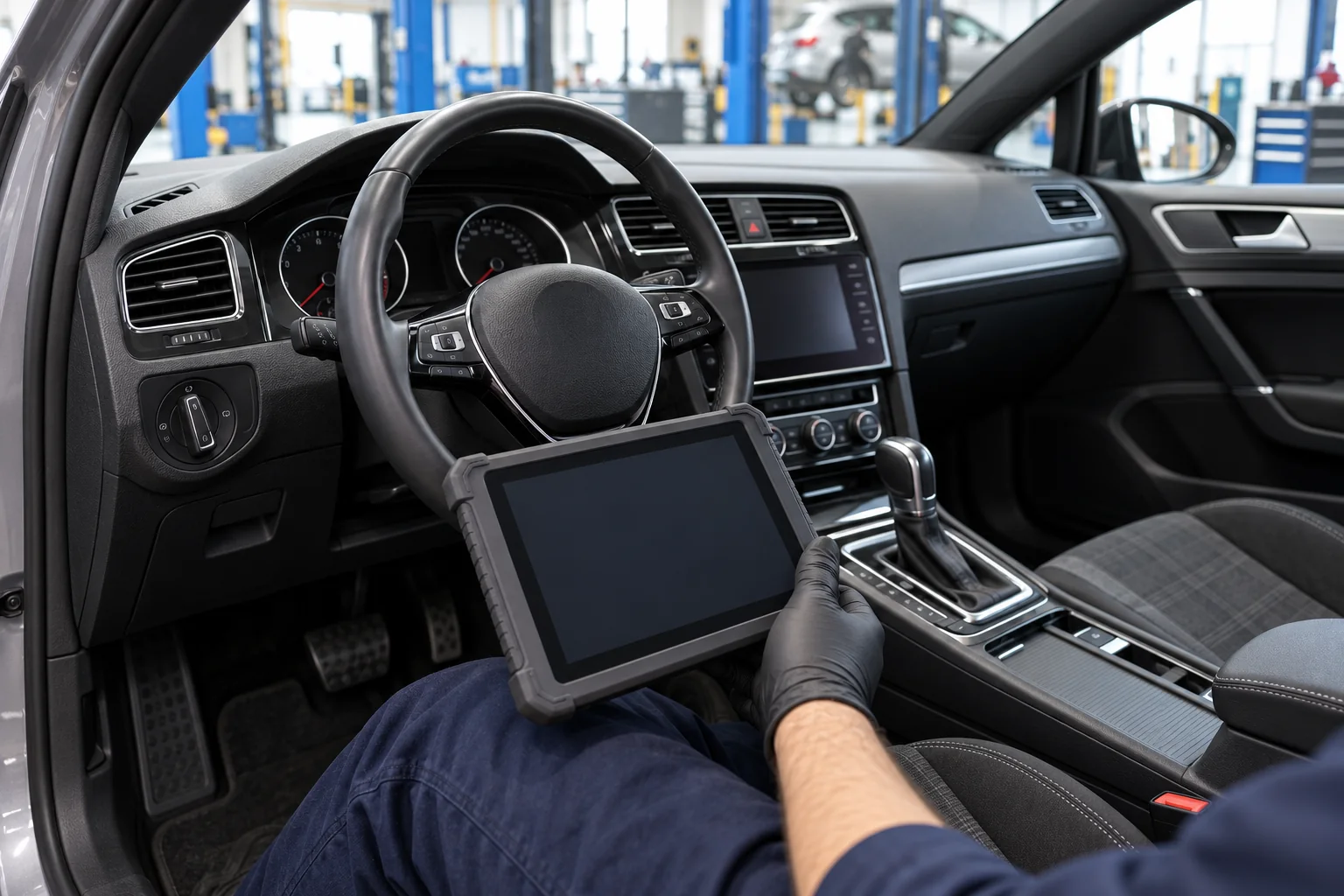
The right repair may be a worn joint, a supply fault or a complete steering rack. These indicative budgets help you compare the work; they are not a diagnosis or fixed workshop tariff.
AED 1,500 to 3,500+
For a suitable, repairable unit. The quote identifies removal/refitting, the repair, seals or internal parts and the necessary tests. Extensive wear or damage can make a rebuild unsuitable.
AED 2,000 to 6,000+
Planning range for supported conventional applications, depending on part condition and specification. New genuine EPS or more complex racks can exceed it. Coding, alignment and associated parts must be identified in the total.
AED 800 to 2,500+
Compatible pump and fitting where the pump is confirmed faulty. Check the required fluid, hoses, bleeding and contamination work. An electrically assisted rack does not automatically have a hydraulic pump.
Your quote lists diagnosis, part brand and condition, removal/refitting, fluid where applicable, coding/basic settings, alignment, testing, VAT and any exchange-core charge. Hose and union leak repairs, sensor, column and intermittent-fault work are quoted after assessment.
Ranges are alternatives, not cumulative charges. Exact VAT treatment and the customer-payable total appear on the written quote.
Stop as soon as it is safe. If steering control is affected, arrange recovery rather than continuing to the workshop.
Arrange prompt assessment and follow the vehicle's handbook/message. The warning colour alone does not establish that the car is safe to drive.
“Power steering” describes assistance, not one universal set of parts. We identify the installed system before quoting a pump, fluid service or EPS repair.
An electric motor assists the steering through its fitted mechanism. Diagnosis considers the motor, torque/angle information, steering controller, wiring and mechanical condition. A conventional EPS rack has no hydraulic steering-fluid reservoir to flush.
A hydraulic system uses a pump, reservoir, hoses and a steering gear. Low fluid, air entry, a restricted supply or a leak can affect assistance. Pump noise alone does not prove that replacing the rack will cure the fault.
Some VW applications combine an electrically driven pump with hydraulic assistance. They need both electrical supply checks and hydraulic investigation. The presence of an electric pump does not make the rack a fully electromechanical EPS unit.
Golf, Polo, Jetta, Passat, Tiguan, Touareg and Transporter systems vary by generation and specification. A model name or badge is not enough to select a rack, pump or fluid.
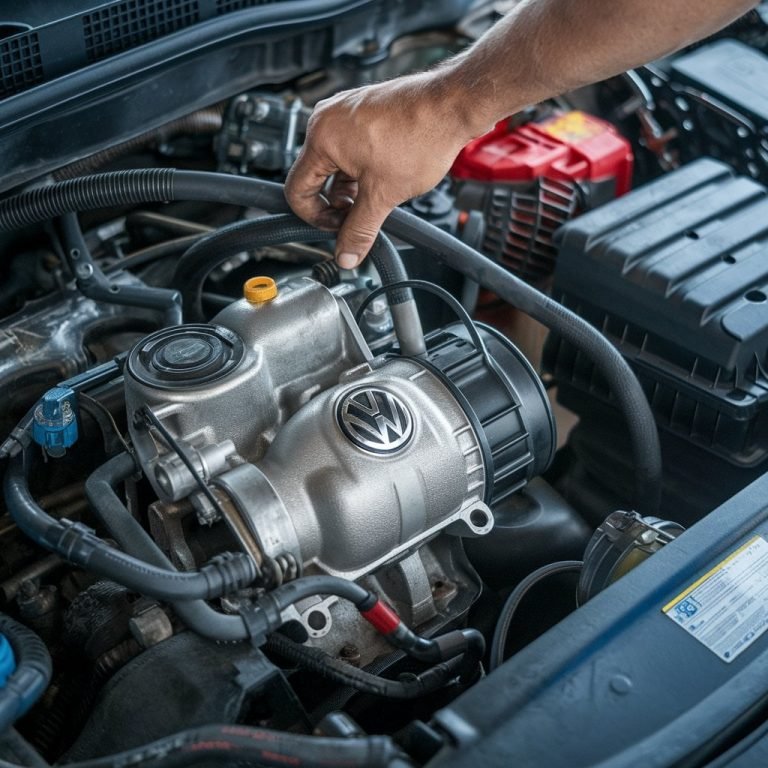
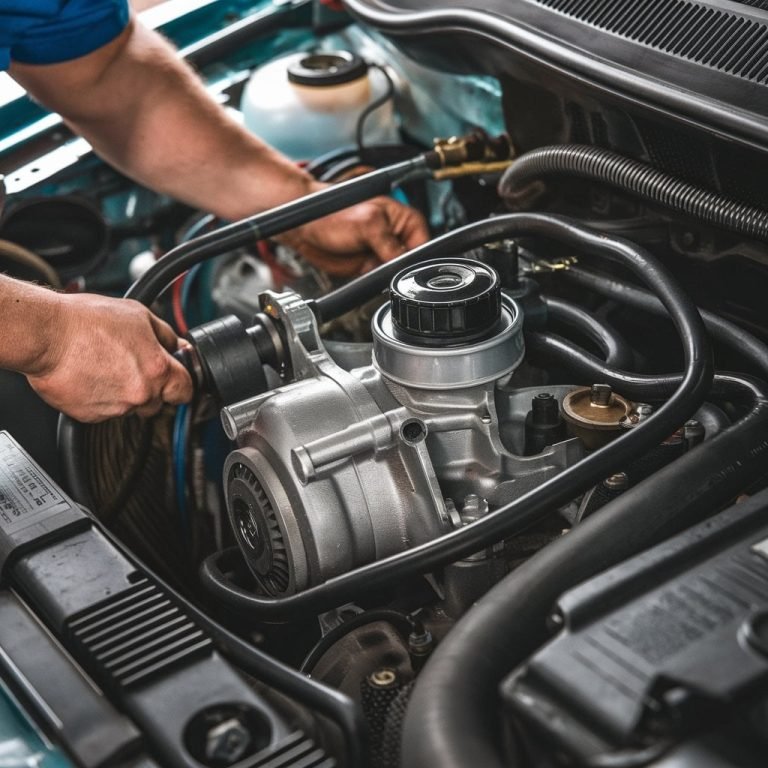
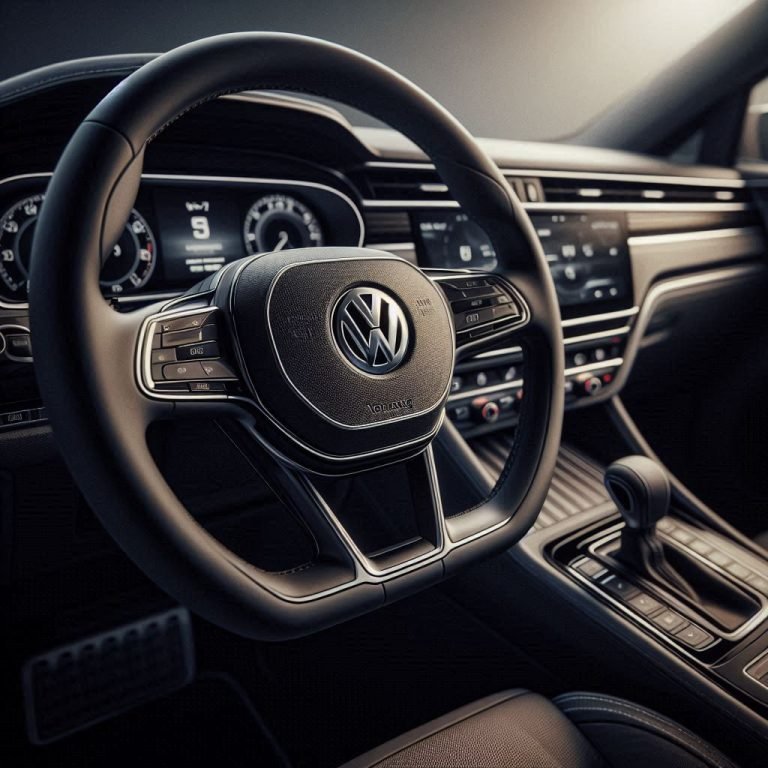
We separate assistance faults from mechanical looseness, binding and tyre or geometry problems. Mention whether the fault appears when parking, after warming up, over bumps or after recent work.
Correct a supply fault before condemning an expensive rack.
Identify where the movement or resistance starts.
A pull is not automatic proof of a failed steering rack.
Report whether the noise changes with speed, braking or steering.
If a knock comes from a spring, damper or control-arm joint, our Volkswagen suspension repair page explains those repairs. Steering and suspension interact, but the failed part still needs to be identified.
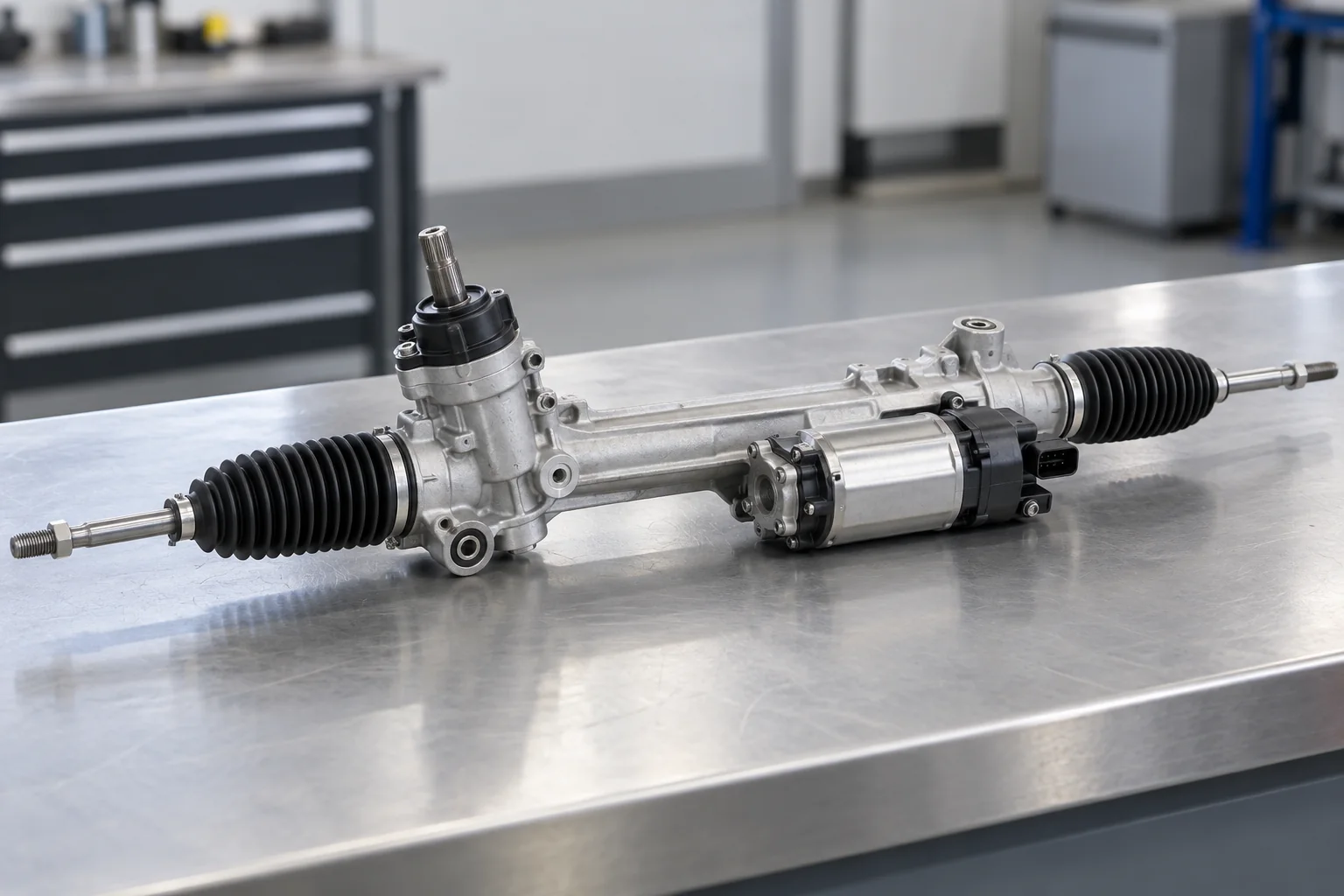
VIN, part number and suffix, steering side, rack generation, ratio/progressive-steering specification and relevant assistance equipment affect compatibility. A used rack that physically bolts in may still have the wrong electronics or setup.
Rack-and-pinion steering turns steering-wheel movement into movement at the road wheels. Once the rack fault is established, compare the repairable condition with the cost and suitability of another unit.
The steering controller uses electrical supplies, driver input and information from other systems. Read the exact fault text, live data and relevant repair procedure before deciding which component needs attention.
For a steering malfunction or assistance-failure message, share a dashboard photo and say whether the warning is steady or flashing. If a battery or charging warning appears too, the supply needs checking alongside the steering fault. “Active steering” and “Servotronic” are not interchangeable names for every VW system; we confirm the equipment fitted to your vehicle.
Only hydraulic or electrohydraulic systems need steering fluid. Topping up without finding the loss can allow pump noise and assistance problems to return.
Trace the reservoir, suction/return lines, pressure hose, unions, pump and rack. Nearby coolant or engine oil can be mistaken for steering fluid. Repair the confirmed hose, union or serviceable seal; a damaged pump or rack may need replacement after condition checks.
A whine may involve aeration, low supply, a restriction or internal pump wear. Test under the appropriate conditions and inspect drive components where fitted. Avoid prolonged loading at full steering lock.
Select the Volkswagen specification for that installed system, not fluid colour or a generic ATF assumption. Repair leaks, address contamination where required, bleed correctly and recheck level and assistance after the work.
A flush cannot repair excessive mechanical play, damaged gear teeth, a bent tie rod or an EPS motor/control fault. We explain which problem the proposed service will address.
Hose, union and seal work is quoted after tracing the loss. Tell us your model, year and whether steering assistance has changed.
Mechanical steering geometry and electronic steering position are connected, but they are different tasks. A correctly fitted part still needs the checks required by the vehicle and repair.
Resolve worn joints, damaged tyres, incorrect ride height or impact damage before adjusting geometry. Centre the rack and steering wheel as specified; do not disguise a fault by simply repositioning the wheel.
After rack/tie-rod work, measure and adjust alignment as required. Toe, camber and caster readings help assess the chassis, although adjustment availability varies. See our Volkswagen wheel alignment service for the geometry work.
A replacement EPS assembly may need compatible coding, software/configuration, angle-sensor calibration and steering-limit adaptation. The procedure depends on the installed equipment; clearing warnings is not the same as completing setup.
Check consistent assistance, smooth return, centre position and relevant warning systems. Where the repair affects driver-assistance calibration requirements, follow the applicable procedure. A road test is undertaken only when the mechanical condition is safe.
Horn, button or stalk faults can involve steering-column electronics without being an assistance failure. Describe which functions fail and whether an airbag or steering warning is also displayed.
Start with your VW model and the symptom. A warning photo, previous diagnosis or repair estimate is useful if available; technical part details can follow when needed.
We identify the installed system, assess the complaint and explain the relevant options. The written quote shows the proposed parts and work before you approve additional repairs.
Completion depends on diagnosis, parts or remanufacturing availability and required setup. The quote states the proposed time and applicable parts/labour warranty duration and conditions; there is no universal promise for every rack repair.
Review the completed repair, setup and alignment where required, relevant scan findings and any remaining symptoms. Return promptly if an intermittent problem reappears rather than assuming repeated warning resets are normal.
Practical answers before a rack, pump or sensor is replaced.
Al Quoz 4, Dubai. Monday to Saturday, 9:00 am to 7:00 pm.
Stop as soon as it is safe and follow the vehicle's message and handbook. If assistance is lost, steering binds or you cannot maintain safe control, arrange recovery. A remote description cannot establish that continued driving is safe.
No. Conventional electromechanical EPS has no hydraulic steering-fluid service. Hydraulic and electrohydraulic systems do use fluid. Identify the installed system and its specification before any top-up, flush or pump quotation.
Topping up can restore the level temporarily, but it does not repair a damaged hose, union or seal. A stop-leak additive is not a substitute for identifying the source and assessing the affected part. Hydraulic and electrohydraulic systems need the specified fluid and correct bleeding after repair. Conventional electromechanical EPS has no hydraulic steering-fluid reservoir. The quote separates the leak repair from fluid service; repeated loss or changing assistance needs assessment.
Sometimes. A suitable seal-related fault may be repairable, but wear, corrosion, housing damage or other internal defects can make replacement more sensible. Compare repair quality, testing, warranty and the complete fitted cost after the unit is assessed.
Alignment corrects applicable wheel geometry; it does not repair a failed assistance motor, hydraulic leak, supply fault or binding joint. Geometry, sensor calibration and mechanical/electrical repair are separate operations even when one job requires several of them.
Some replacements require coding, correct software/configuration and basic settings or adaptations. Requirements vary by vehicle and rack. Compatibility and setup should be checked before buying a used or replacement assembly.
Interrupted supply can be associated with warnings or lost settings, but the exact cause still needs checking. Record any scan results and follow the applicable vehicle procedure. Persistent faults or heavy steering need assessment rather than repeated battery disconnection.
No. Tie rods, rack mounts, column joints, ball joints and suspension top mounts can produce similar complaints. The inspection needs to trace the noise or free play to its source before a major assembly is ordered.
A joint replacement differs from rack rebuilding, sourcing a compatible assembly or investigating an intermittent EPS fault. The completion plan is given after assessment, parts checks and the required setup are identified. Do not assume a same-day repair before diagnosis.
Tell us your VW model and what has changed. We will explain the assessment, suitable repair options and written quote. If steering control is affected, discuss safe transport before moving the car.