
Read the fault and live data
Check VW fault codes, freeze-frame information and requested versus actual boost. P0299 underboost, P0234 overboost and actuator-position code P2563 guide testing; a code alone does not prove complete turbo failure.
Turbo replacement recommended, or your VW has lost boost? Our independent Al Quoz 4 workshop confirms the cause, matches the replacement to your engine and quotes the fitting and related work before you approve it.
Single-turbo replacement guide: AED 4,000 to 12,000.
Indicative complete-job budget. Parts choice, access and the cause of failure determine the written total.
Heavy smoke, oil-pressure warning or loud mechanical noise? Stop safely and switch off. Arrange assistance before restarting.
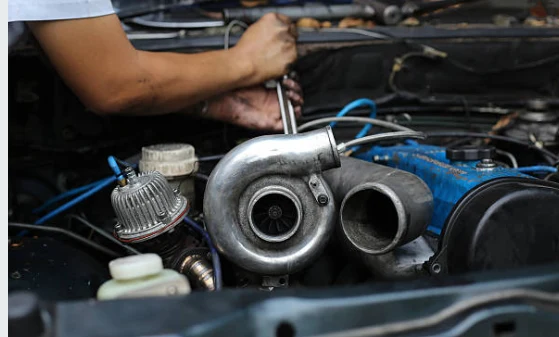
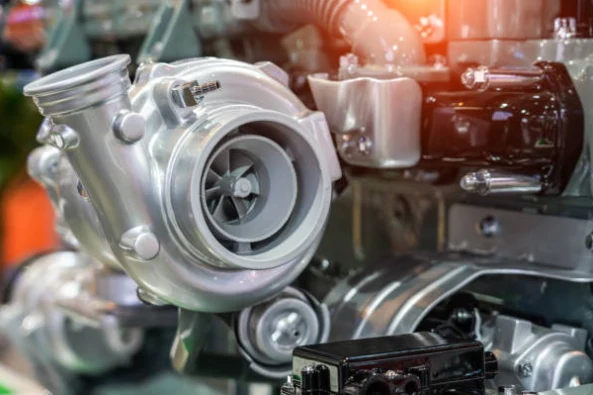
A replacement quote needs to cover a working installation, not only a loose turbocharger. The engine and the damage found decide what belongs in the job.
Dubai market planning range, not a fixed tariff. The selected assembly, removal and refitting, required seals, oil/filter work and post-installation checks are identified in your quote.
A confirmed serviceable actuator fault has a separate indicative AED 1,200 to 3,500 range. This is not the price of a full turbo replacement.
Send the model, year, engine details and any warning or existing diagnosis. Twin-turbo systems, performance specifications and consequential damage can fall outside the single-unit guide.
Loss of power, limp mode, an EPC/check-engine warning, a whistle or smoke can come from the turbo or the systems around it. Replacing a healthy unit leaves the original fault unresolved.
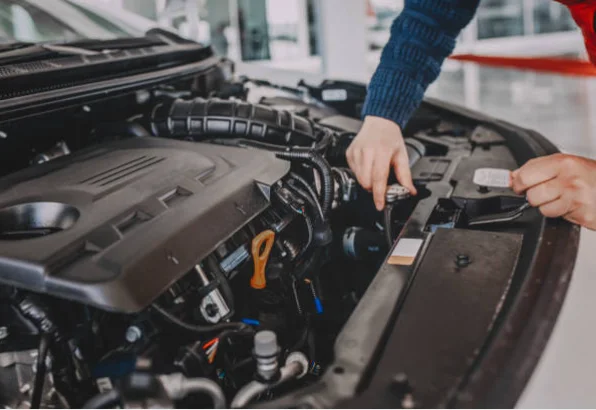
Check VW fault codes, freeze-frame information and requested versus actual boost. P0299 underboost, P0234 overboost and actuator-position code P2563 guide testing; a code alone does not prove complete turbo failure.
Inspect charge hoses, clamps, intercooler and intake connections; use an appropriate leak test. Check the diverter/recirculation valve, vacuum supply and boost-control valve (N75), where fitted. Assess the wastegate or variable-vane actuator, wiring and feedback for that system.
Check oil level and condition, feed/return paths, crankcase ventilation and visible leakage. Assess wheel damage, contact marks and shaft clearance against the unit’s specification, not movement alone.
A restricted air filter, DPF/catalyst or exhaust fault, fuelling problem or excessive engine blow-by can mimic or contribute to turbo trouble. Select further tests from the findings before quoting a unit.
The decision depends on the failed component and whether the rest of the assembly is fit for service. We explain the evidence before recommending the more extensive work.
A manufacturer’s diagnostic approach also checks the wider engine system. See Garrett’s turbo diagnostics guidance for why symptoms should be tested before a turbo is condemned.
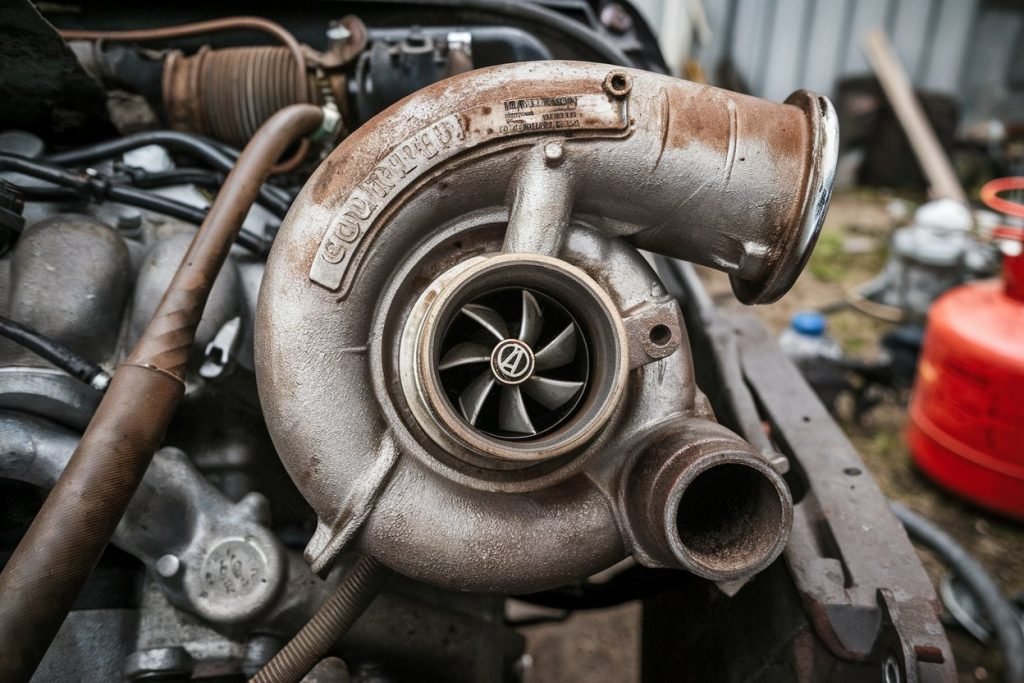

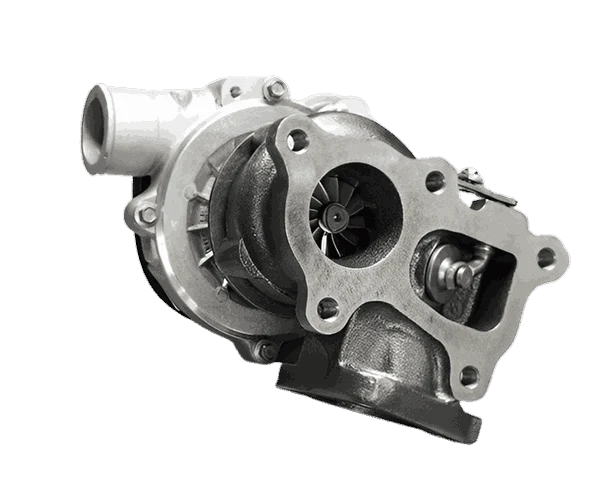
We match the VIN, engine code and applicable turbo part number, including the fitted actuator and connections. A shared model name or similar-looking housing is not enough.
Golf, GTI/R, Polo, Jetta, Passat, Tiguan and other TSI applications can have different wastegate systems, housings and cooling connections. An IS20/IS38 family label alone is not a fitment check. A like-for-like replacement is distinct from a performance upgrade.
Applicable TDI engines use their own vane controls and pneumatic or electronic actuators. Caddy, Transporter, Amarok and Touareg specifications may use different or multiple-turbo arrangements. Identify the engine and failed unit; do not automatically quote or replace every turbo.
Stop safely and switch off for heavy smoke, rapidly falling oil level, an oil-pressure warning or a loud scraping/metallic noise. Continuing can spread debris or oil through the intake and worsen engine damage.
If the engine revs on its own or will not stop normally, keep people clear and call for assistance. Do not restart a car after suspected turbo break-up or major oil ingestion before it has been checked.
Call for the next stepThe installation must address the cause of failure as well as fit the correct unit. The agreed job list reflects what the inspection finds.
Use the specified oil and filters, inspect the oil supply/return and follow the required line-renewal procedure. Check the breather and oil-pressure concerns where indicated; an obstructed feed can damage the replacement.
Inspect the intake, charge pipes and intercooler for oil or debris. Clean or replace affected components as appropriate before restart. Check exhaust restrictions and restore any required turbo coolant connections.
Use the specified seals, fasteners and torque procedures, then prime the turbo/oil system before start-up. Retain correct actuator settings and perform the prescribed basic setting or adaptation where required.
Check oil, coolant, air and exhaust joints, actuator operation and warning status. Compare boost operation during a safe test, recheck fluid levels and explain remaining recommendations at handover.
Signs of wider damage? Metal contamination, low oil pressure or poor engine condition may require Volkswagen engine assessment and repair before a replacement turbo can operate reliably.
After collection Keep the correct oil specification and service schedule. Follow the vehicle’s operating guidance after heavy load, and report returning smoke, noise, warning lights or oil loss promptly.
Costs, part choices and the checks that make a replacement worthwhile.
Use AED 4,000 to 12,000 as a planning range for one complete turbo replacement job. Engine, turbo specification, parts route and access change the total. Twin-turbo work, engine damage, major intercooler or exhaust repairs and additional failed parts need separate pricing. The written quote identifies the turbo, fitting, fluids, required hardware, tests and VAT treatment.
No. P0299 records an underboost condition. A boost leak, vacuum or control problem, an exhaust restriction or turbo damage can cause it. We compare requested and actual boost and test the relevant parts before deciding. P2563 can direct attention to actuator-position control, but it also needs vehicle-specific diagnosis.
Sometimes, if testing confirms the fault and a suitable service part and procedure exist for that turbo. The mechanism, linkage, position feedback and calibration must remain correct. A damaged housing, worn wastegate seat or failed rotating assembly may require a complete unit instead. We do not adjust a rod or stop screw simply to hide a fault code.
It can be, when the correct application is available with a clear supplier, documented remanufacturing and appropriate balancing and calibration. A documented remanufactured assembly differs from an untested used turbo or a cartridge of unknown origin. The quote identifies what is supplied, any core-return condition and the applicable warranty.
No. A correct like-for-like turbo does not automatically need a performance remap. Some systems require an actuator basic setting, adaptation or an applicable software procedure; this is identified for the exact engine. An upgrade to a different turbo or an existing modified ECU setup is a separate assessment, not a standard replacement inclusion.
Only if the turbo is the confirmed cause and any related problem is addressed. Crankcase ventilation, oil drainage and engine wear can also contribute. Oil already collected in intake pipework or the intercooler must be dealt with before safe restart. Persistent smoke after fitting needs reassessment rather than being dismissed as normal.
Collection timing depends on diagnosis, access, parts availability, cleaning and the final checks. We give an estimate for the identified job before approval. The written quotation records the selected turbo, related work, VAT treatment and applicable warranty conditions; a universal same-day repair or one warranty term is not promised.
A VW diagnostic scan and physical checks help establish the repair needed. Agree the assessment scope and charge when arranging the visit. A code scan alone cannot prove turbo failure, and it is separate from the supplied-and-fitted turbo quotation. Any specific diagnostic inclusion is stated on the written estimate.
Send your model, engine and symptoms. Our Al Quoz 4 workshop is open Monday to Saturday, 9am to 7pm; call to arrange assessment and discuss assistance if the car cannot be driven.