
Conventional shock replacement
AED1,500–3,500Indicative budget for two passive dampers. Engine/model variant, front or rear position, access and required fitting items determine the written quotation.
Bouncing, leaks or suspension knocks? Our independent VW workshop in Al Quoz 4, Dubai, checks the cause, replaces failed dampers and quotes any required mounts or related repairs before work starts.
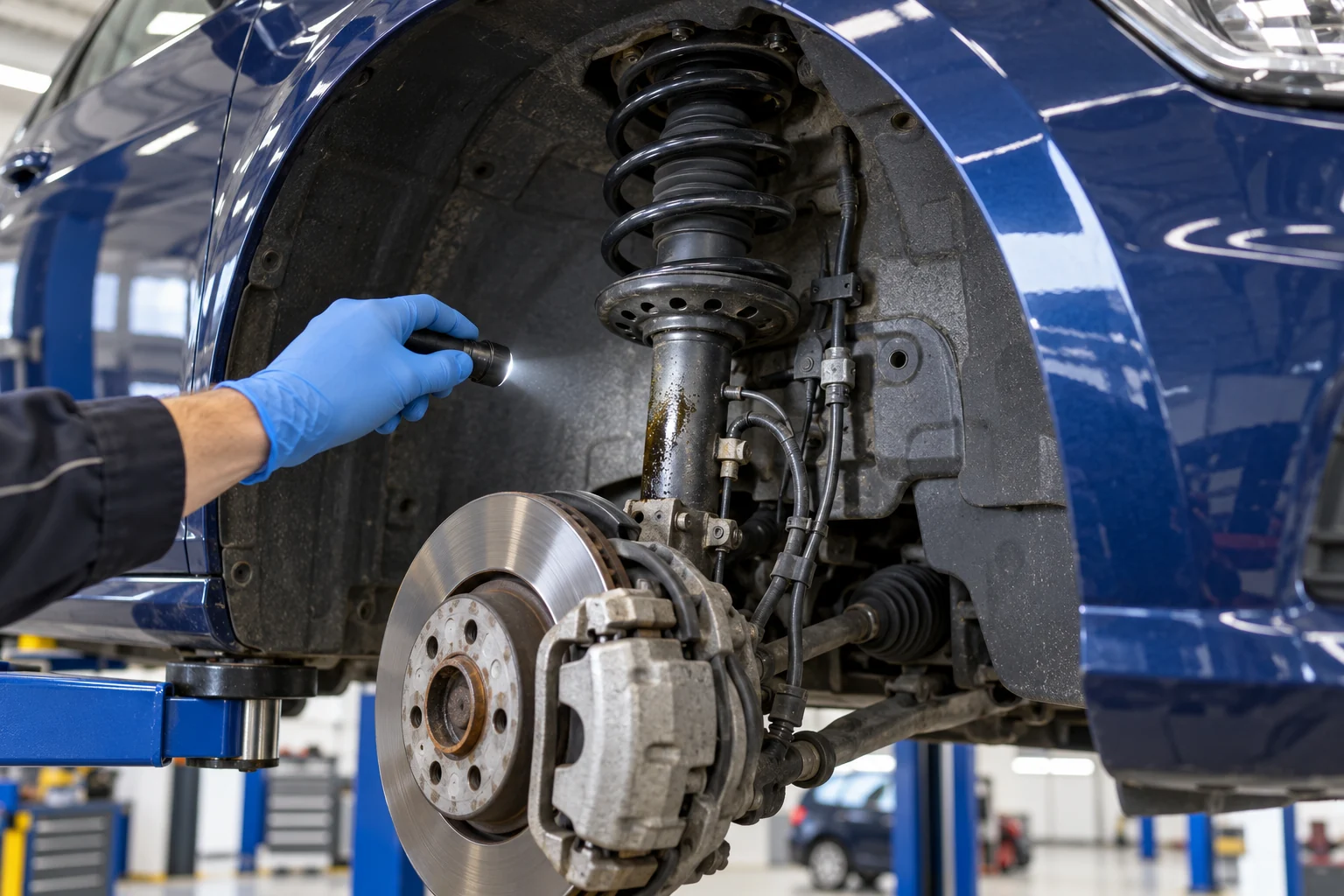
These job guides match our Volkswagen suspension service. A passive pair and one air strut are different quantities and assemblies.
Indicative budget for two passive dampers. Engine/model variant, front or rear position, access and required fitting items determine the written quotation.
Quoted by VIN and fitted equipment. Compatible electronic dampers, circuit checks and required setup differ from passive units.
Vehicle-specific quote · matched partsAED 2,500–4,500 guide for one compatible assembly where fitted. Air leaks, compressor faults and additional work are assessed separately.
One assembly · not an axle-pair priceThese symptoms can involve dampers, mounts, springs, bushes, tyres or geometry. A knock or vibration alone does not identify a failed shock.
The damper controls spring movement and tyre contact. The spring or air spring supports the vehicle; a low corner needs more than a shock-only assumption.
Review when the problem occurs, inspect tyre pressures/wear and assess the vehicle safely. A bounce check alone cannot measure every damper fault.
Inspect dry damper bodies, piston rods, attachment points, top mounts, bearings, boots and bump stops for leakage, play or damage.
Check spring condition, ride height, links and joints. Control-arm or tyre faults can imitate a damper problem and require their own repair.
Identify the fitted system. Adaptive warnings require relevant fault-data, wiring and function checks; air-supported systems also need leak and height assessment.
“Shock repair” may mean repairing surrounding suspension parts. A failed sealed damper needs the correct replacement rather than an advertised fluid top-up.
A serviceable damper can remain when a mount, bearing, link or protection item is the confirmed problem. The quotation explains the finding.
Conventional sealed shocks are replaced, not routinely resealed or refilled. Matched units across the axle help avoid unequal damping from side to side.
One axle-pair repair does not automatically require all four dampers. Assess the remaining axle and any damaged springs or joints separately.
Electronic damping and air-supported height are separate functions. A model badge or a Comfort/Sport button alone does not select the correct parts.
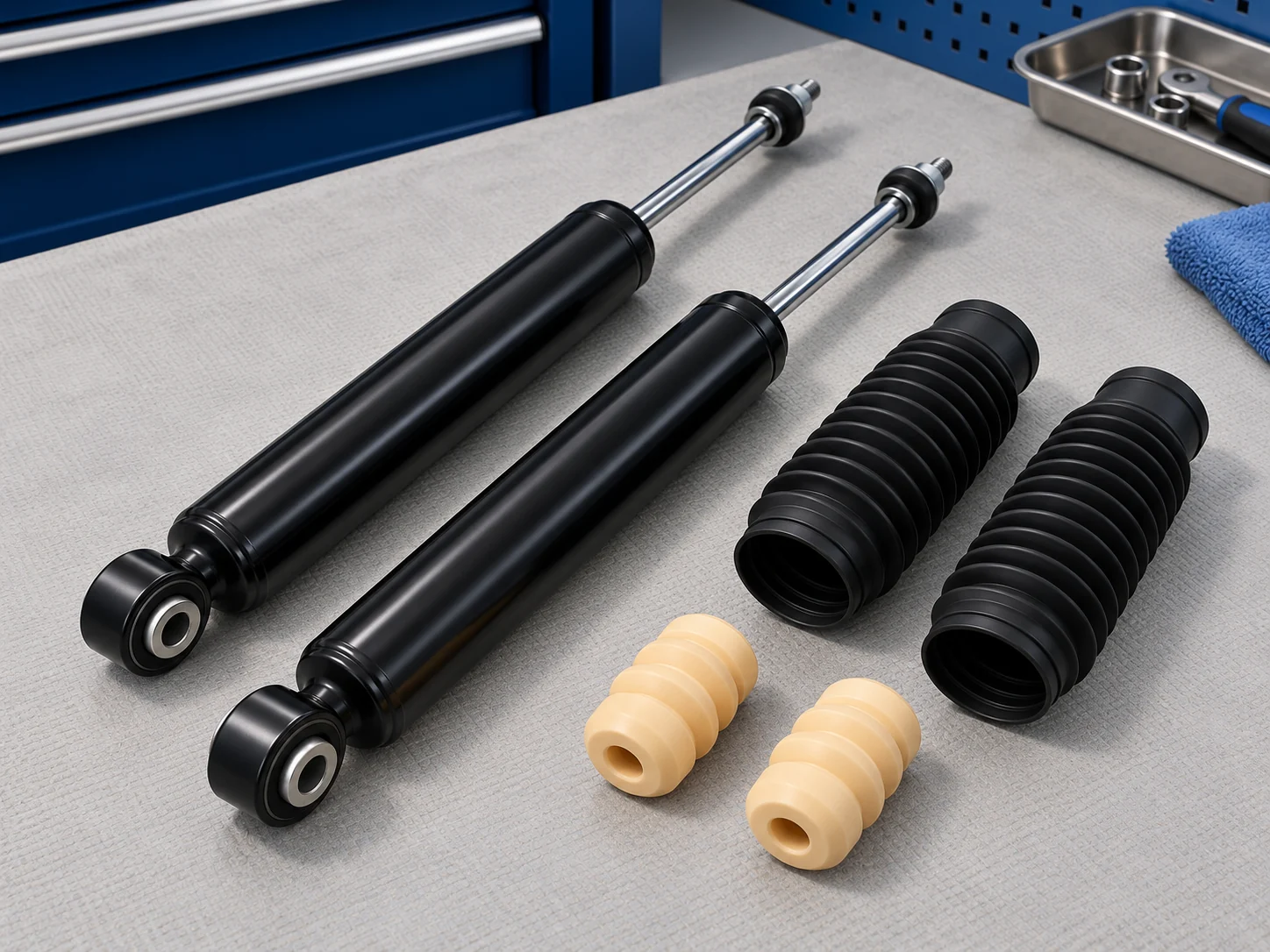
Compare genuine Volkswagen and suitable OEM-supplier options by exact application, intended ride characteristics and applicable cover. OEM means original-equipment manufacturer.
Use the compatible damping type and specification. A passive unit is not a direct substitute for DCC; do not mix unrelated rates or assemblies.
Protection boots, bump stops, mounts, bearings and specified fixings matter. Your quotation identifies required service items and explains any other worn parts needing replacement.
Avoid damage to the piston rod, seals and attached lines.
Use suitable spring-compression equipment where the strut requires it.
Follow specified fixings, tightening procedures and required loaded position.
Check the installation, system function and original ride complaint.
Many VW layouts use front struts and separate rear dampers/springs. Other designs differ; identify the actual assembly before comparing labour and parts.
On a MacPherson layout, the strut is part of the wheel-location structure. The damper, coil spring, spring seats, top mount and bearing are different components. A damper-only replacement part does not necessarily include a ready-assembled strut with a new spring and mount.
A rear damper may be separate from its spring, so “rear strut” is not the same assembly on every VW. Identify the actual layout, mount access and any air/adaptive equipment. Spring or mounting damage is assessed separately from a failed damper.
Bonnet and tailgate gas supports are different parts. They hold a body panel open; they do not replace wheel-suspension struts. Tell us which component has failed when enquiring.
Axle, access, seized fixings, related parts and alignment/setup requirements determine completion. The quotation sets a plan for the actual vehicle and repair.
Explain the failed components, axle-pair recommendation, selected parts and required additional work.
Your approval firstComplete the agreed replacement and service items, protect associated lines and follow the vehicle fitting procedure.
Correct specification and assemblyCheck relevant geometry/system functions, secure installation and the original complaint with a safe road assessment.
Invoice and follow-up advice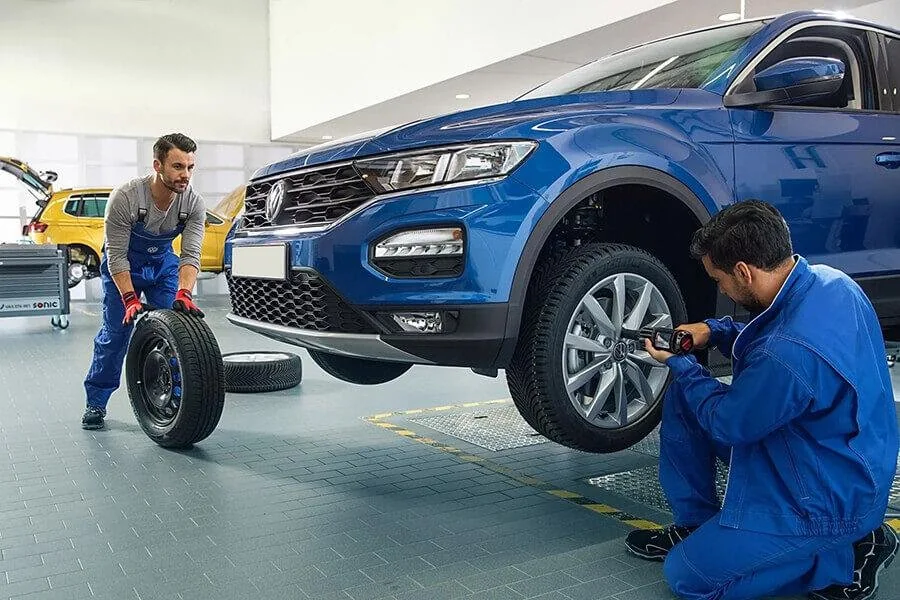
Volkswagen-specific diagnostic software, genuine/OEM parts choices and a written quote before approved work starts.
Understand whether a damper, mount, spring or another suspension part explains the complaint.
The quote identifies quantity, part choice, fitting items and any alignment or setup work.
Workshop open Monday–Saturday, 9 am–7 pm. Send the symptoms and any recent impact or repair history.
The conventional passive-damper guide is AED 1,500–3,500 for a pair on one axle. DCC dampers need an equipment-specific quote. The air-strut guide is AED 2,500–4,500 for one compatible assembly, not a pair. Your quotation defines parts, fitting, service kits, assessment, alignment/setup and VAT treatment.
Conventional sealed dampers are normally replaced when worn, damaged or actively leaking. Routine resealing or fluid topping-up is not the appropriate repair. Some older strut housings accept a replacement cartridge; specialist serviceability depends on the exact design. A mounting or bearing fault may be repaired without replacing a sound damper.
Dampers are normally replaced in matched pairs on the same axle to maintain balanced damping. One new unit beside a worn one can create unequal behaviour. Assess the other axle separately: replacing a front pair does not automatically justify four new dampers. The quotation explains the evidence and quantities.
No. A light oil mist can be normal lubrication at the rod seal, and road contamination can resemble leakage. Clear wet streaks or continuing oil loss need investigation alongside damping and physical condition. Inspection should distinguish normal film, active leakage and damage rather than condemn the unit from a dirty surface alone.
No. Top mounts, bearings, links, control-arm bushes, joints, tyres and geometry can produce similar complaints. Cupping can accompany poor damping but is not exclusive to it. We assess the suspension and tyres before recommending dampers, so a sound shock is not replaced for a fault elsewhere.
No. DCC controls damping electronically; an air spring supports ride height. A vehicle can have a different combination depending on its equipment. A suspension warning or sinking corner needs the appropriate electrical, mechanical or air-system checks. Compatible parts and any required setup must match the fitted system.
It depends on the suspension design and what is disturbed. Strut removal and associated geometry changes can require an alignment check and adjustment to the vehicle specification. A separate rear-damper job may differ. Alignment is quoted when required; wheel balancing is a different tyre/wheel service and does not repair worn shocks.
Not necessarily. A damper-only part, a preassembled strut and an assembly supplied without the spring contain different items. The quote lists what is supplied. Inspect the coil spring, seats, top mount/bearing, boots and bump stops; renew required kits and specified fixings according to the vehicle procedure. Spring condition and correct fitment are assessed separately. A sound spring is not automatically replaced just because the damper has failed.
Time depends on the axle, strut versus separate-damper access, fixings, required service items, parts supply and alignment or adaptive-system setup. Air-suspension fault tracing can add work. Your written quote states the completion plan and applicable parts/workmanship terms for the selected repair; no single duration applies to every VW.
There is no universal replacement mileage for every VW and duty cycle. Follow the vehicle inspection schedule and investigate ride changes, damage or leaks. For standard or modified suspension, match damping to the springs, ride height and equipment. Stiffer or differently coloured parts are not automatically the right solution to a poor ride.
Send model, year, front/rear symptoms and suspension type if known. We will explain the assessment and quote the required work.