
Hose or seal
AED 300 to 800For typical accessible hose, connection or sealing work. A buried flange, several damaged hoses or extensive dismantling can cost more.
Coolant dropping again, a sweet smell or wet patches under your VW? Our independent workshop in Al Quoz 4 traces the source, explains the repair options and gives you a written quote before replacing parts.
Small hose or seal repair: AED 300 to 800.
Indicative repair budget. Pump, thermostat and radiator work have different ranges below.
Red warning, steam or rising temperature? Stop safely, switch off and arrange assistance. Do not open the coolant cap while hot.
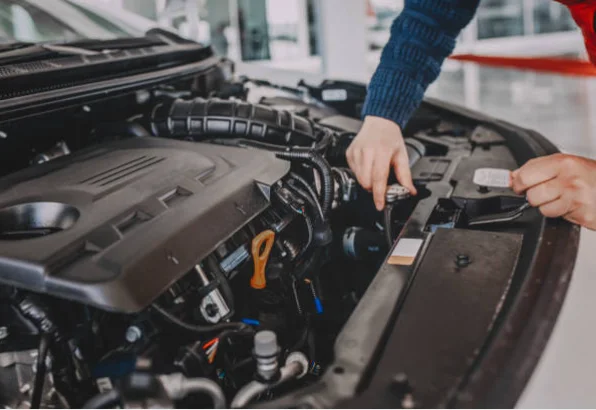
The leaking component and access decide the job. Use these Dubai market ranges to plan; they are repair estimates, not a diagnostic fee or a fixed offer for every VW.
For typical accessible hose, connection or sealing work. A buried flange, several damaged hoses or extensive dismantling can cost more.
A guide for typical pump and thermostat jobs. Engine design, a complete module and associated seals change the parts and labour needed.
For a typical replacement job. Radiator specification, front-end access and damage to surrounding parts affect the final total.
Expansion-tank and cap replacement are quoted for your vehicle. Send the model, year and symptoms. Your written estimate identifies parts, labour, coolant refill, bleeding and post-repair testing, with VAT treatment and any extra work stated before approval.
Assessment Agree the diagnostic work and charge when booking. Testing can include the system, cap and checks for intermittent leakage.
Other costs Recovery, internal engine damage, heater-matrix work and additional failed components need their own estimate.
A low reservoir is a symptom. Testing separates a leaking joint from a pump fault, a damaged radiator or coolant loss inside the engine.
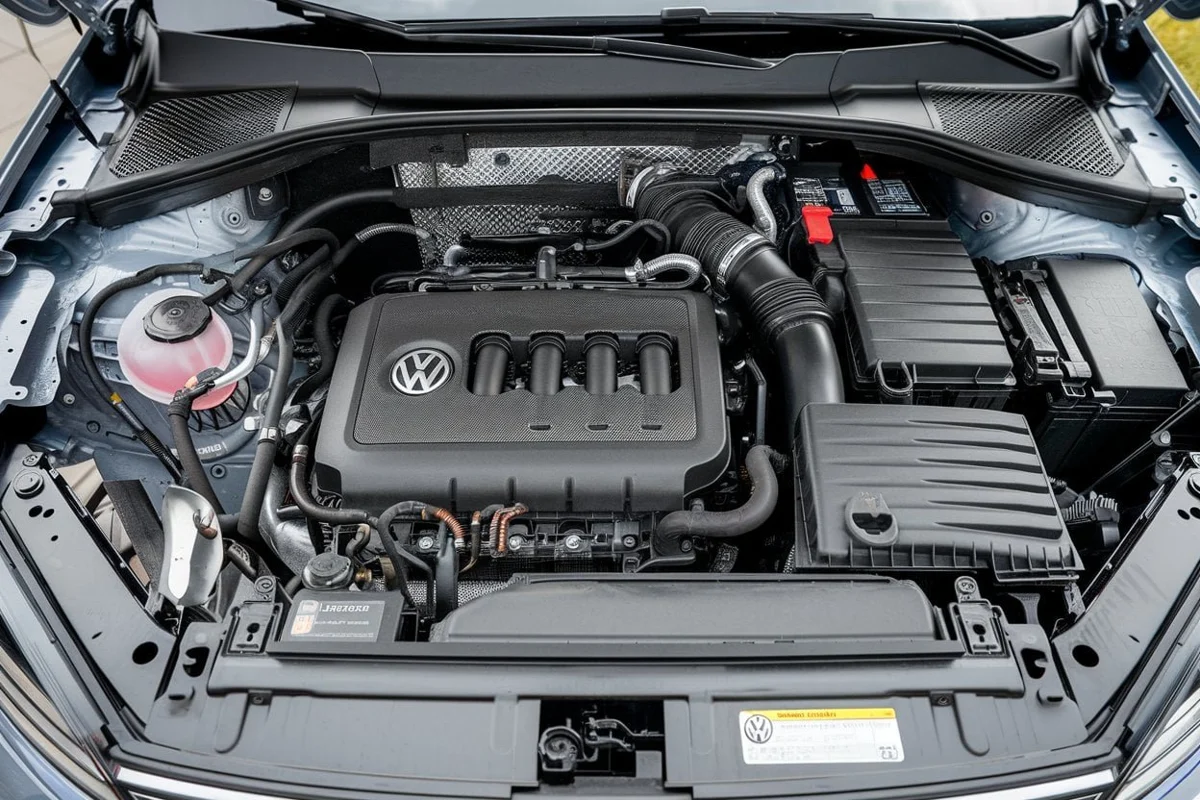
Check the cold level, dried residue, hoses and joints. Remove the undertray where needed: coolant can collect there or run away from its source before dripping.
Use the vehicle’s specified test pressure and inspect for seepage. Assess the expansion-tank cap separately where appropriate. One cold test may not reproduce a hot or intermittent leak.
Review relevant fault codes and temperature data, then recheck under controlled warm conditions when safe. Compatible UV dye can help trace a difficult leak when suitable.
Show the identified source and repair scope. If the fluid level is stable but the warning remains, investigate the level sensor or wiring. Overheating without loss also needs circulation, thermostat and fan checks.
Water from the air-conditioning drain can be normal condensation. Colour or puddle position alone cannot identify the fluid or failed part.
A sound joint may need a seal. A cracked housing or leaking pump needs a different solution. We explain that distinction before proposing an assembly replacement.
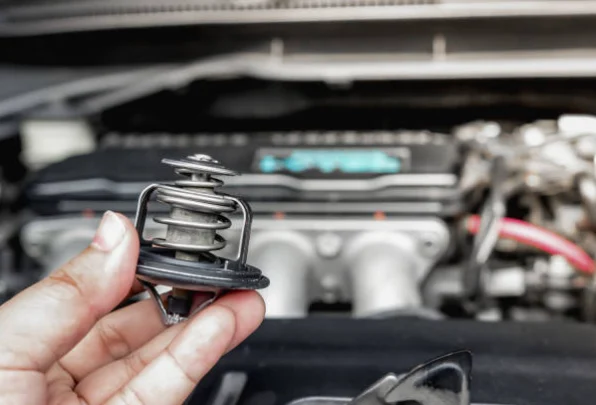
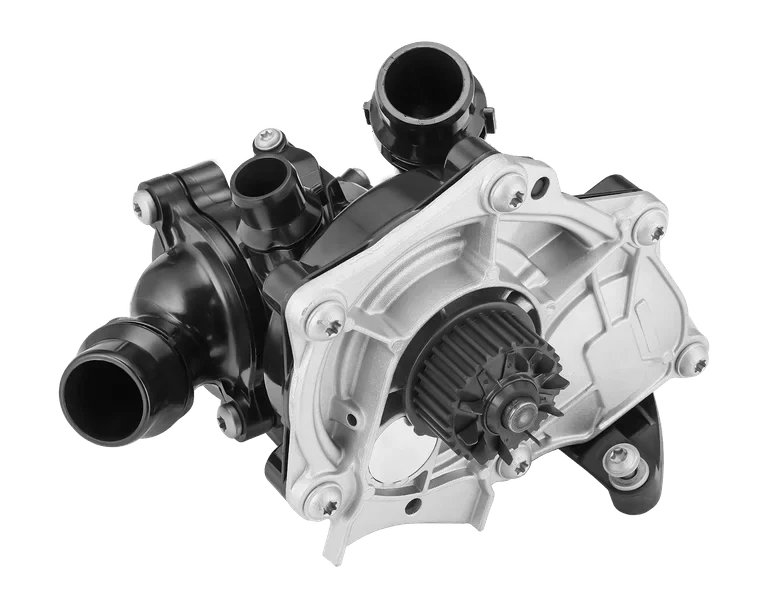
Inspect pump seals, the housing and connecting joints. Some TSI/EA888 engines have an integrated pump and thermostat arrangement; the engine code and leak location determine whether a seal, housing, pump or assembly is appropriate.
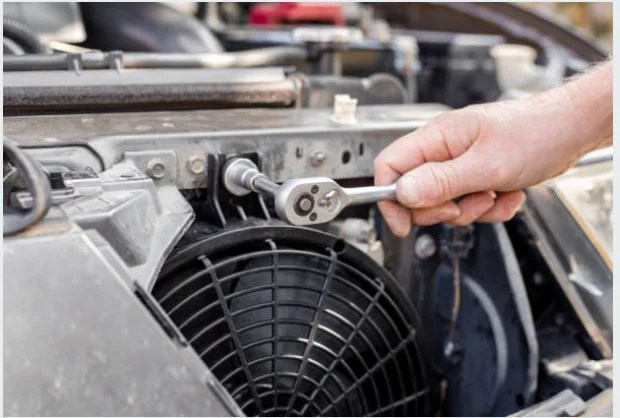
Distinguish a radiator core leak from a split end tank, drain fitting, expansion-tank crack or cap fault. Replacement is usually the sound choice for a structurally damaged radiator; the cap needs its own assessment.
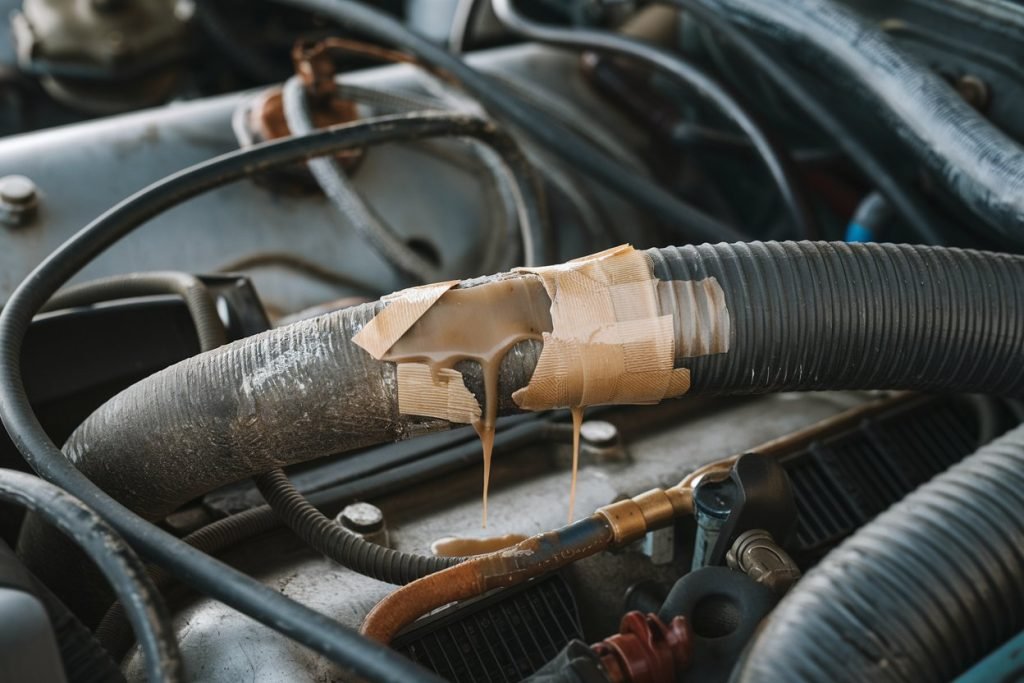
Check rubber hoses, quick-connect fittings, O-rings, plastic flanges and coolant pipes, including turbocharger feed and return lines where fitted. Replace damaged fittings rather than trying to cure a broken joint by tightening it.
Cabin dampness, a sweet smell or persistent window film can point towards a heater-matrix leak, but inspection must confirm it. Access inside the cabin makes this a separate job from an engine-bay hose repair.
Check internal routes before assuming the engine needs dismantling. Applicable TDI engines can lose coolant through the EGR cooler; an oil cooler, head gasket or cylinder-head fault is another possibility.
Oil contamination, persistent exhaust vapour or abnormal pressure guide further tests. Combustion-gas testing, compression or leak-down testing is selected as needed. One symptom alone does not prove a head gasket failure.
The expansion tank is also called the coolant reservoir. A leaking bottle, a faulty pressure cap and an incorrect low-level warning need different repairs.
Stop somewhere safe and switch off if a red coolant warning appears, temperature rises, steam escapes or coolant is being lost rapidly. Continued driving can turn a local leak into engine damage.
Never open the expansion-tank cap while hot. Keep clear of escaping steam and do not open the bonnet while steam or coolant is escaping. Call with the location, model and warning displayed to discuss assistance and its availability.
Call for the next stepA coolant change drains and renews the fluid. A flush adds a cleaning or rinsing stage when contamination and the vehicle-specific procedure call for it. Neither repairs a leak; the failed component still needs attention.
The written scope identifies draining or flushing, the correct fluid and quantity, filling, bleeding and final checks. Cleaning work, replacement parts, leak repairs and VAT treatment are stated separately where applicable. Refilling after a leak repair is not automatically a full-system flush.
Our Al Quoz 4 workshop is open Monday to Saturday, 9am to 7pm. Call or WhatsApp to arrange the assessment and discuss whether the car needs assistance getting here.
Send the model, year, cold-level changes and a photo of any warning or visible leak. Avoid touching hot parts to collect a photograph.
Review the test findings, parts choice, itemised total, VAT, applicable warranty and expected collection time before work begins.
At handover, review the completed work, invoice and coolant specification. Further loss or a returning warning needs reassessment.
Costs, pressure testing and the difference between a top-up and a lasting repair.
A small hose or accessible sealing repair has a planning range of AED 300 to 800. Typical water pump and thermostat work is AED 1,200 to 2,800, while radiator replacement can be AED 1,200 to 3,500. These are market estimates, not fixed workshop tariffs. Diagnosis, access, parts, coolant and any related damage determine the written total.
It helps locate leakage by pressurising the cooling system to its specified test pressure. Cap testing, undertray removal or warm-condition checks may also be needed. A pressure drop needs investigation; it does not identify a failed part by itself. The diagnostic scope and charge are agreed when booking, with repair and recovery quoted separately.
A red coolant warning, rising temperature, steam or rapid coolant loss means stop safely and switch off. Do not keep driving to see whether it clears. Let the vehicle cool and arrange assistance. A small recurring loss also needs assessment; topping up does not establish that the journey is safe. Never open the expansion-tank cap while hot.
An undertray can retain coolant, and a hot-only leak may evaporate. A heater matrix can leak inside the cabin. If external checks do not explain the loss, investigate internal routes such as an EGR cooler on applicable diesels, an oil cooler or an engine sealing fault. Missing coolant alone does not prove a head gasket failure.
No. The engine and assembly design matter, as does the actual leak location. Some TSI engines use a closely integrated pump and thermostat housing. A serviceable seal may be renewed on a sound component, while a cracked housing or failed pump needs replacement. The quote identifies the failed part and explains any combined assembly recommendation.
Use the VW coolant approval applicable to your vehicle and the current approved replacement guidance. Colour alone does not identify compatibility, and one grade is not universal across every Volkswagen. We match the fluid, quantity and dilution requirements to the application. Tell us if water, another coolant or a sealant has already been added.
Inspect and test the bottle, cap and hose connections separately. A failed cap on a sound tank may need only a correctly specified cap. A cracked tank or damaged filler neck usually needs tank replacement. If the coolant level is correct but a warning remains, check the level sensor and wiring where fitted. The quote identifies the required tank, cap or sensor assembly, coolant, labour and checks for your Volkswagen.
Check the maintenance information for your exact vehicle and the coolant’s condition. One flush interval does not apply to every VW. Coolant replacement after a repair, routine fluid renewal and cleaning a contaminated system are different jobs. We explain the reason and method before you approve the work.
A flush renews fluid or helps address contamination; it does not repair a cracked radiator, failed pump seal or leaking hose. We recommend repairing the source, then refilling and bleeding correctly. A liquid stop-leak additive is not our default repair because it can interfere with narrow cooling passages and later diagnosis.
Timing depends on finding the source, engine access, parts availability and the refill and test procedure. Agree an estimated collection time after assessment. Parts choice, the applicable repair warranty and VAT treatment belong in the written quotation. We do not promise a universal same-day completion or one warranty term for every coolant repair.
Tell us what your Volkswagen is doing. We will help you arrange the next step and quote the identified repair.