
1.8 TSI
Passat CC 2008–2012 and CC 2012–2017
Check the oil separator and pressure-regulating valve arrangement for the actual engine. A damaged diaphragm, housing, hose or seal can require different work.
Four-cylinder fitted guide appliesWhistling at idle, rough running, oil use or an engine light on your CC? A crankcase breather fault is one possible cause. Our independent Volkswagen workshop in Al Quoz 4 checks pressure, hoses and intake leaks, then quotes the correct valve or separator before replacement.
CC PCV valve replacement AED 450 to 1,250, fitted. Indicative Dubai budgets. Engine version and part choice change the final price.
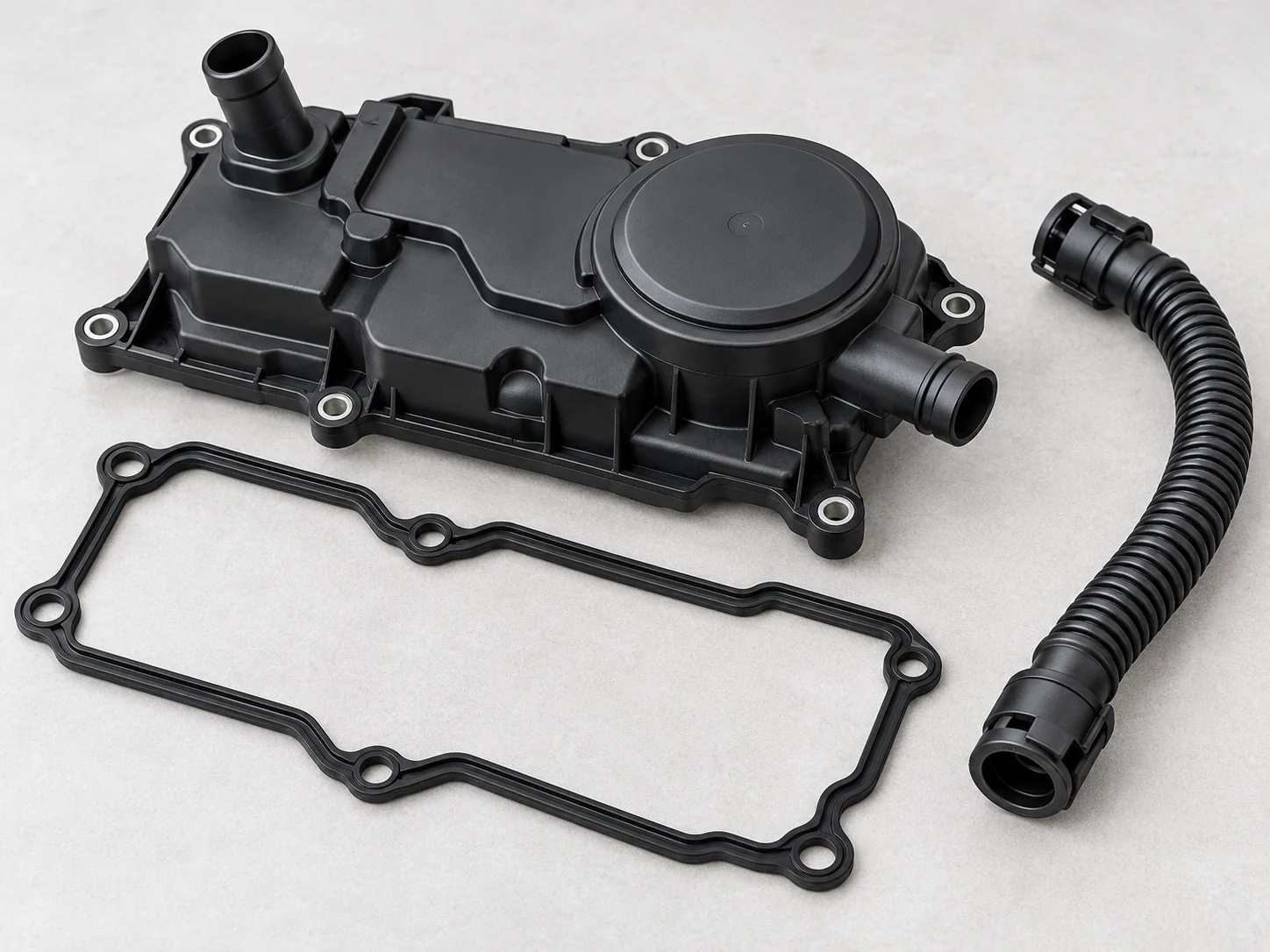
A confirmed breather fault on a four-cylinder CC can be repaired with the correct valve or oil-separator assembly. The parts-and-fitting guide is AED 450 to 1,250. Diagnosis is AED 150 to 300 if charged separately; the written quote states inclusions. Whistling or oil use alone does not confirm a failed PCV valve.
These are indicative budgets at an independent specialist. Your written quote lists parts, labour and VAT for your exact car before we start.
| Item | Guide price |
|---|---|
| PCV and smoke testCodes, fuel trims and crankcase pressure | AED 150 to 300 |
| OEM supplier PCV valvePart only | AED 200 to 500 |
| Genuine VW PCV valvePart only | AED 350 to 750 |
| Fitting and labourFour cylinder engines | AED 250 to 500 |
| Intake cleaningOptional, if oil and carbon are found | AED 300 to 600 |
The AED 450 to 1,250 four-cylinder guide combines one selected valve/separator with fitting. Do not add both parts choices or labour again to a fitted quote. Assessment, hoses, existing seal leaks and cleaning are separate unless included; VAT treatment is confirmed in writing. V6 work is quoted after inspection.
Tell us the symptoms and model year if known. We confirm the inspection and quotation before work.
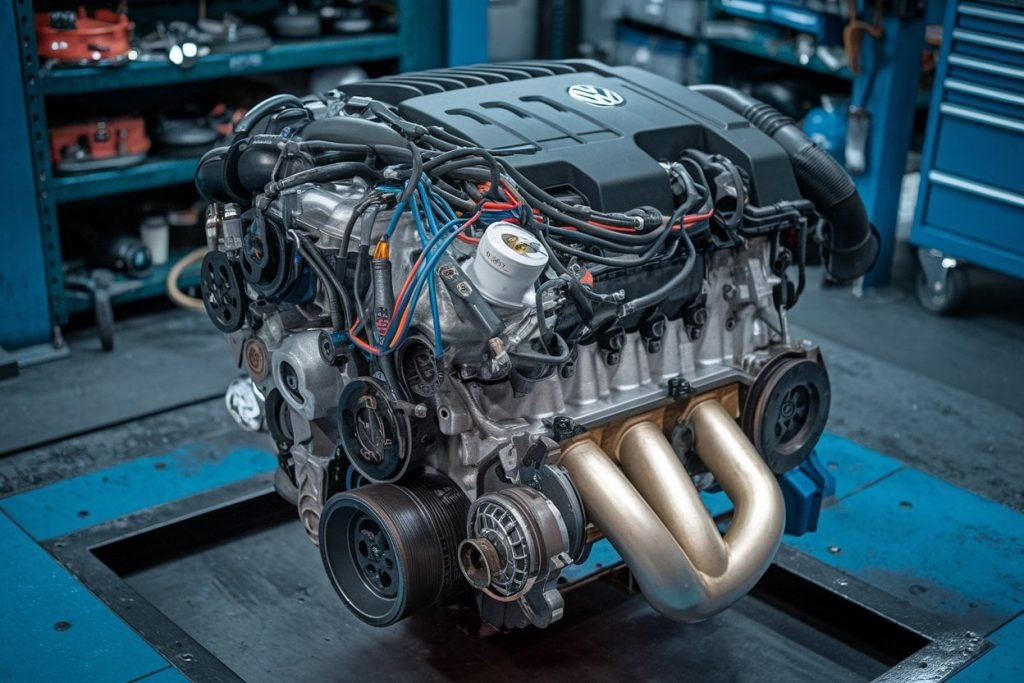
Your CC’s engine version determines the breather assembly, seals and access. The year helps narrow the choice, while the engine code and fitted part confirm compatibility.
Check the oil separator and pressure-regulating valve arrangement for the actual engine. A damaged diaphragm, housing, hose or seal can require different work.
Four-cylinder fitted guide appliesThe valve or separator assembly varies with engine version. Match the correct replacement and connections rather than ordering by the 2.0 TSI badge alone.
Four-cylinder fitted guide appliesThe V6 uses an engine-specific breather and oil-separation arrangement. Confirm the fitted assembly and access before choosing parts or agreeing the job.
Quoted after inspectionStart with the symptoms and year if known. We can identify the engine at inspection. A VIN or part number may help later, but you do not need documents to enquire.
Whistling, rough idle and oil use can point towards a breather problem. They can also come from intake leaks, ignition, turbo or engine faults, so we test before recommending a PCV valve.
Tell us whether it appears hot or cold and changes with engine speed.
Check the breather diaphragm and other intake leak sources.
Shaking, hesitation or stalling can arrive with an engine warning light.
Read the faults alongside fuel trims and relevant air-leak checks.
Mention how quickly the level falls and where you see oil.
Assess ventilation, leak sources and possible oil-burning causes.
Some crankcase vacuum is normal. Oil-cap behaviour alone does not prove a failure.
Measure pressure against the engine specification.
Describe when it happens and how long it lasts.
Consider breather oil carry-over, turbo and internal engine causes.
A leak in this area needs tracing before a seal or PCV is blamed.
Check the leak source and pressure regulation. A damaged seal may need separate repair.
Heavy smoke or very rough running also needs prompt attention. Call to discuss the next step before continuing to drive.
Positive crankcase ventilation manages gases that pass the piston rings into the crankcase. The breather system regulates pressure, separates oil mist and routes gases back into the intake to be burned.
Ventilation prevents gases from simply building pressure inside the engine.
The separator limits the oil carried into the intake and allows separated oil to return.
The pressure-regulating valve controls ventilation as engine operating conditions change.
A pressure-regulating fault can create excessive vacuum. A restriction can allow pressure to build. Damaged hoses or seals can also cause air leaks, so replacing the valve is only appropriate when the checks support it.
Age and heat can affect diaphragms, valves, seals and hoses. Engine wear can also increase blow-by. A new separator will not repair an existing seal leak, worn rings or a turbo fault.
The cause needs reassessment. Explore the CC oil-leak checks and CC engine repair options, or describe the ongoing symptoms to us.
An accessible four-cylinder valve or separator may take about an hour to replace after diagnosis and parts confirmation. Testing, damaged connections and other leaks can extend the visit. V6 timing is confirmed for the fitted engine.
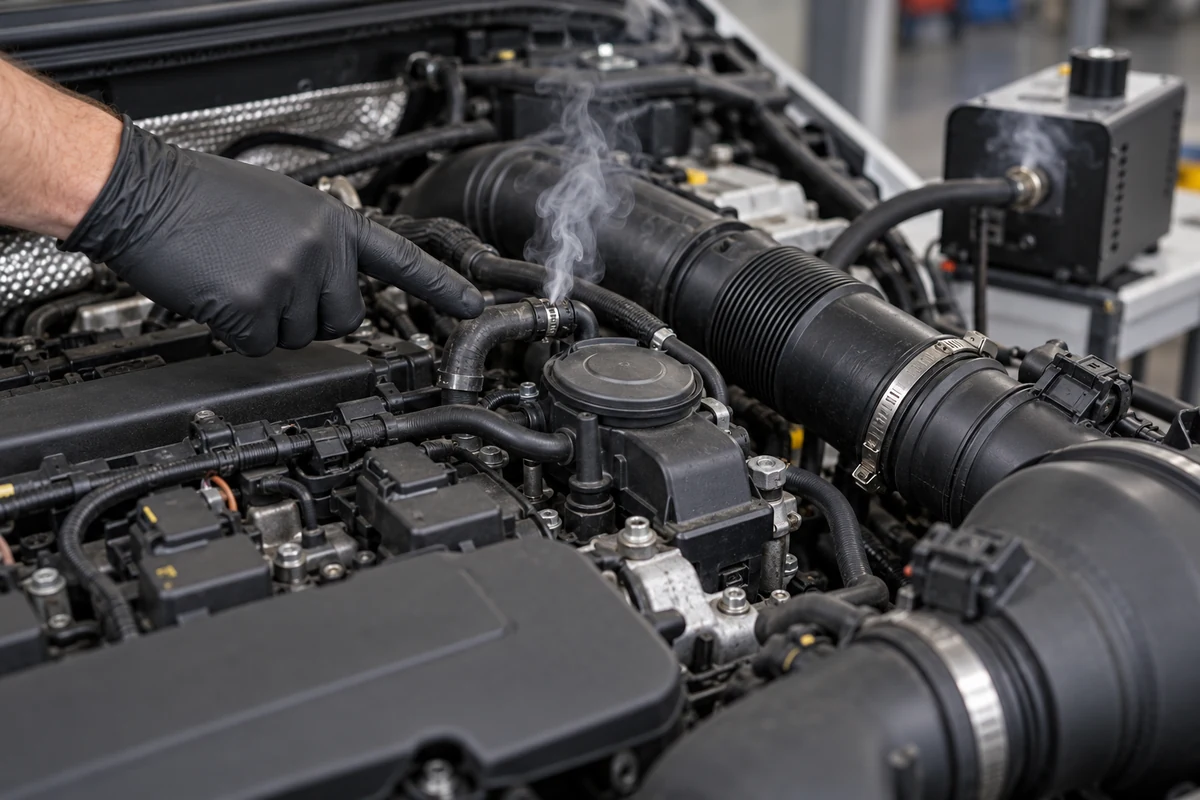
Read relevant codes and fuel trims, assess crankcase pressure and check for intake leaks where appropriate. We explain what the findings support.
Identify the correct genuine VW or OEM supplier assembly and any damaged hoses or seals. You receive the proposed price before work.
Remove the faulty valve or separator, prepare the mating surfaces and install the matched part with the required seals.
Inspect breather and intake connections, check for leaks and assess any oil residue that needs separate attention.
Recheck relevant pressure and running values, check the oil level and assess starting and idle. Review relevant faults and road-test only when appropriate and safe.
Straight answers before you book.
Service information from our independent Al Quoz 4 workshop. Updated 20 October 2026. About our workshop.
On the 1.8 and 2.0 TSI, a fitted PCV valve usually costs AED 450 to 1,250, depending on whether you choose a genuine or OEM supplier part. The 3.6 V6 is quoted after inspection because access takes longer.
The usual signs are a whistle or hoot at idle, a rough idle, an engine light with lean or misfire codes, and oil use. With the engine idling, a failed valve often makes the oil cap hard to remove. We confirm it with a pressure and smoke test.
Arrange a prompt check. Stop safely and seek assistance if the engine runs very roughly, the engine light flashes, an oil-pressure warning appears, smoke is heavy or oil loss is rapid. Mild symptoms still need diagnosis; there is no universal safe driving distance.
Replacement of an accessible four-cylinder assembly may take about an hour after diagnosis and parts confirmation. Testing, other leaks and V6 access can extend the job; the workshop confirms the completion plan.
It can help when a confirmed breather fault is causing oil carry-over or abnormal pressure. It will not repair worn rings, turbo seals or an existing oil leak. We reassess continuing oil use instead of promising that one valve will cure it.
There is no universal replacement mileage. Replace the faulty assembly when testing confirms a defect; inspect the related hoses and seals. A model-year or mileage range alone does not prove that replacement is due.
Send the year, engine and symptoms. We will reply with a clear plan and price before you drive over. For other jobs, see our Volkswagen CC repair guide.